Fernie Gravel Grind – A Race Review

Fernie Gravel Grind – A Race Review

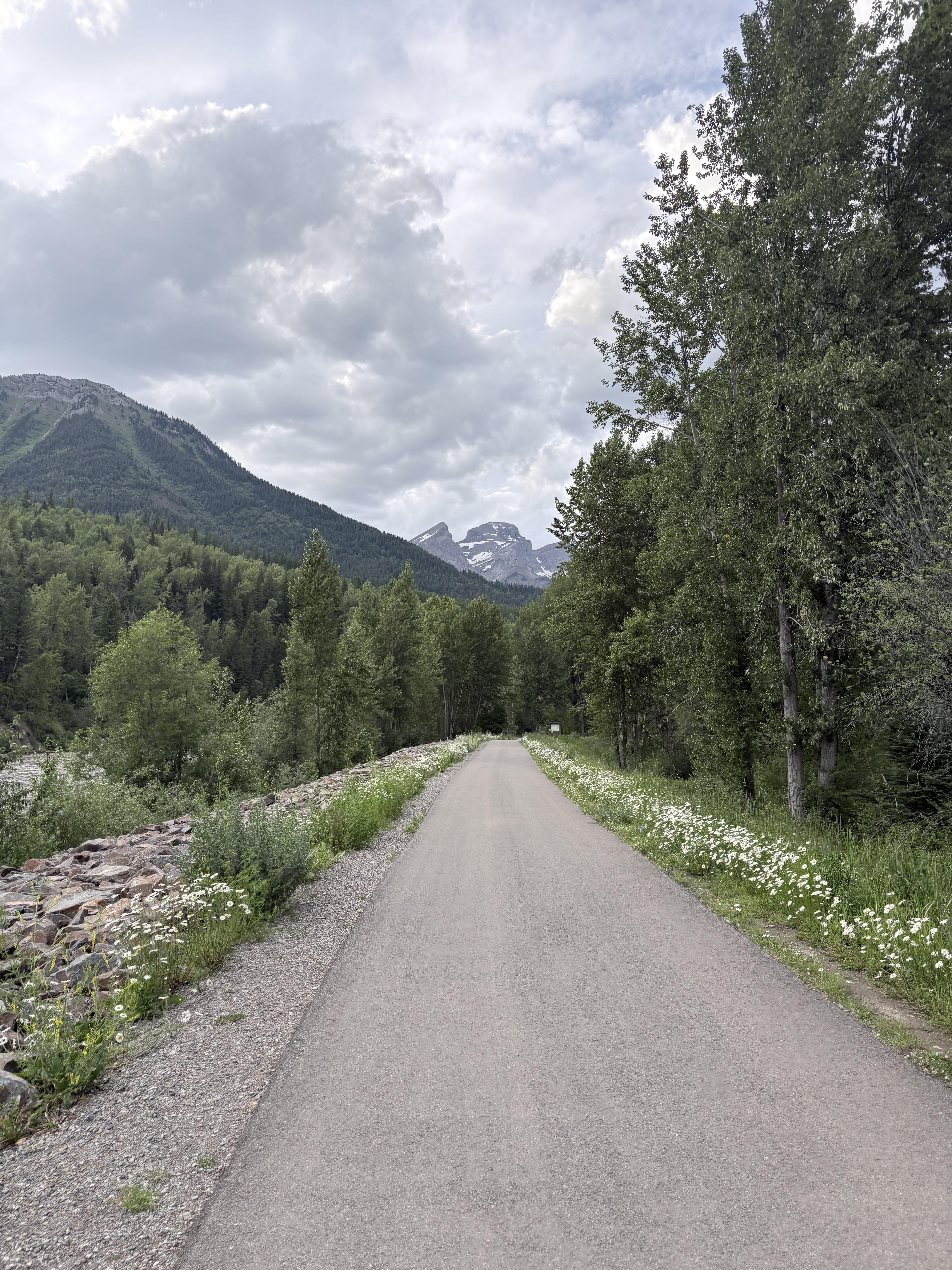
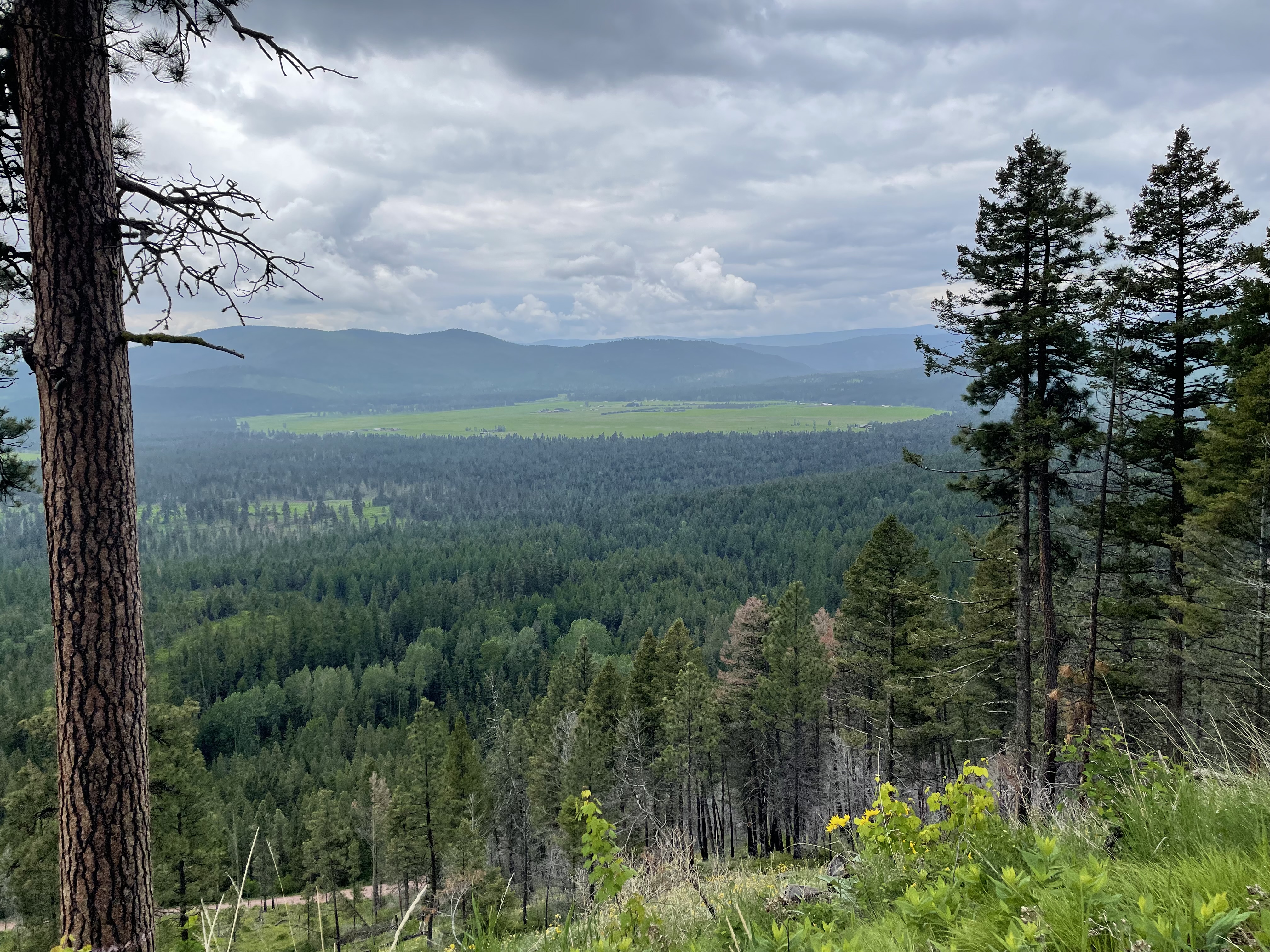
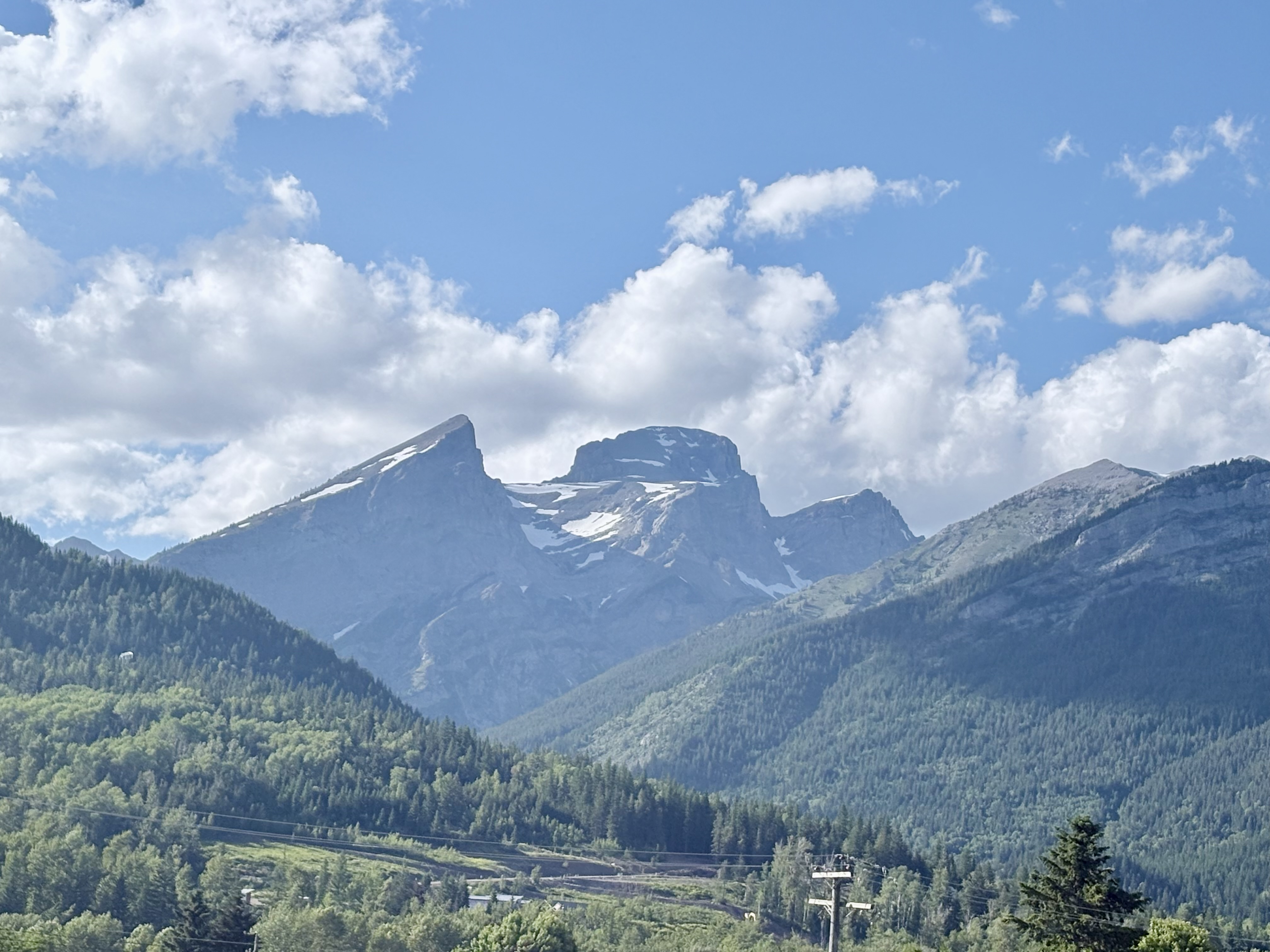
Fernie. The word itself conjures up images of jagged, snow-packed peaks, skiing, and mountain biking. So when my cousin suggested the Fernie Gravel Grind, I was immediately interested. I knew the scenery would be beautiful. I imagined the course taking us across forest service roads and over steep hills. And it delivered.

Here’s what I loved about the race:

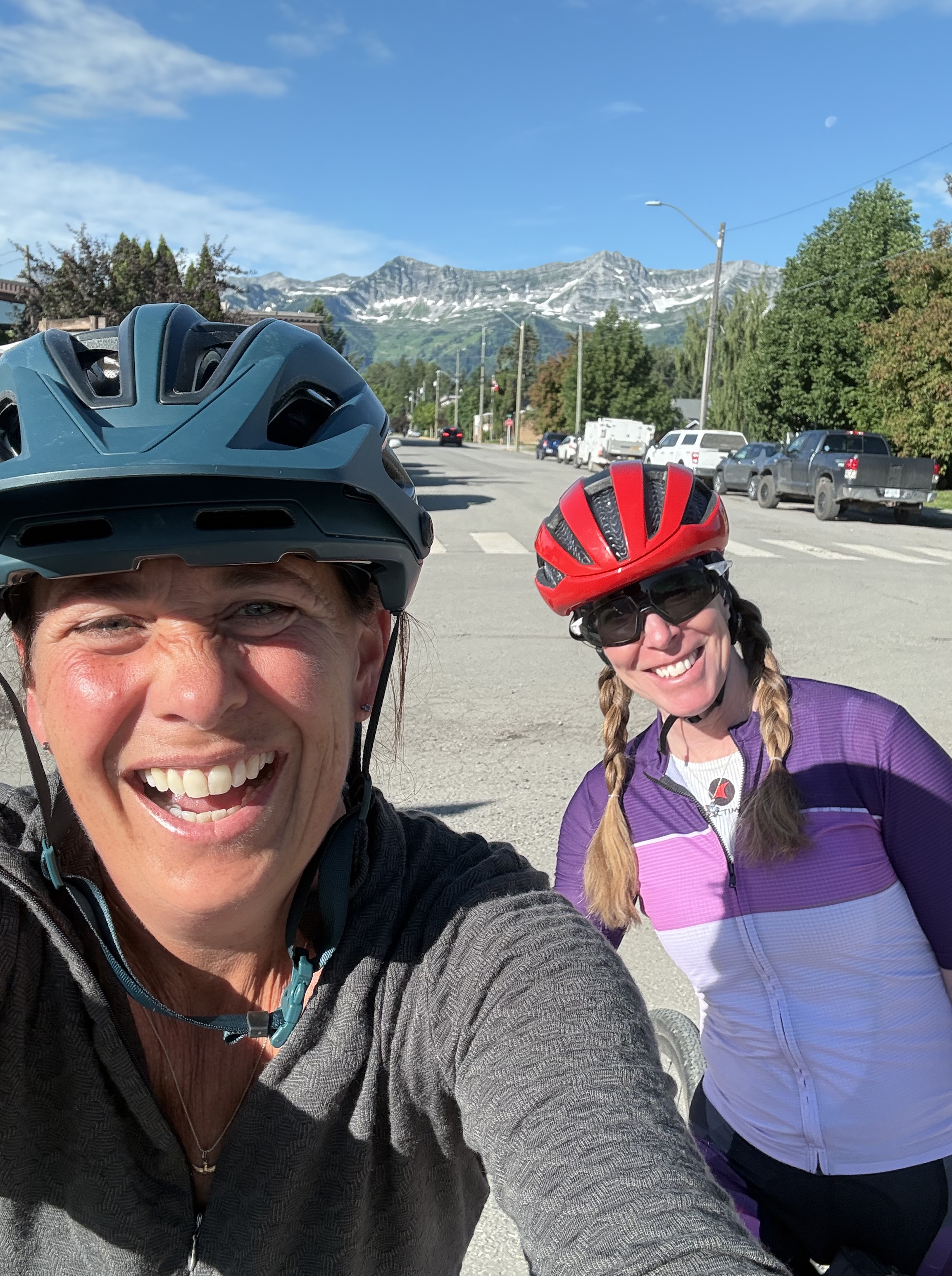
First and foremost, the organization of this event was top-notch. Email communication began several weeks before the event, with regular updates about the schedule and the course. Through those emails, I learned about a women-only pre-ride sponsored by Liv. This pre-ride was very well organized and supported by Liv ambassadors, which was a great way to get familiar with the course and meet some other women before race day.

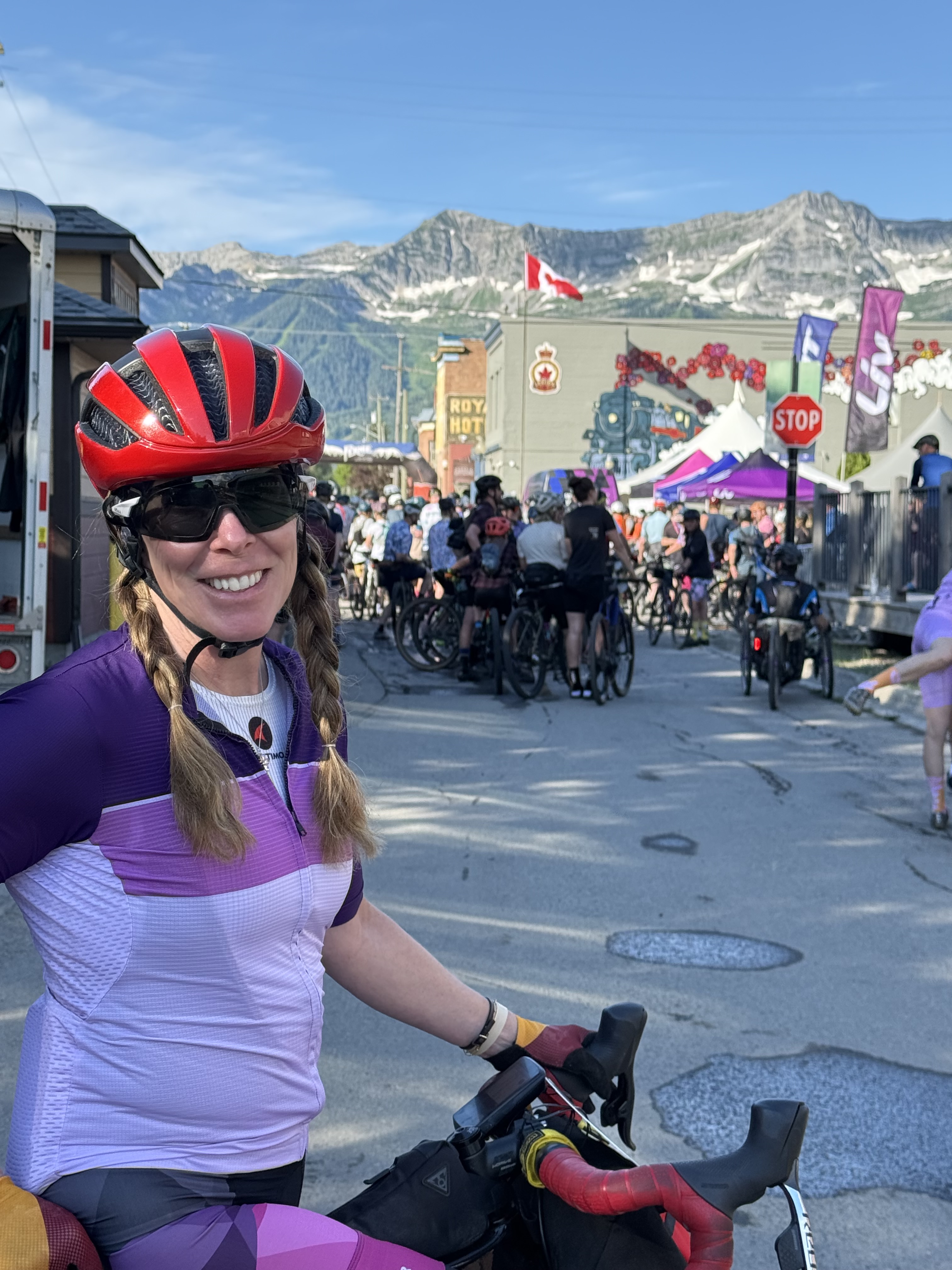
Packet pickup, the race start and finish, and the event expo were all conveniently located in the same area. It’s obvious that the town and locals are highly supportive of this event. Fernie is a quaint, small town and very rideable, making it possible to park your car when you arrive and use your bike as transportation for the duration of your stay. I loved that.

I also appreciated that a WhatsApp group was set up for communication during the last couple of days leading up to the event. It was a simple touch, but a useful one for last-minute updates and information.

The race course itself was very well marked throughout. The Medium Haul course covered 35 miles and included 3,500 feet of elevation gain. There were two “stoke” stations along the way, and volunteers were stationed at various locations throughout the course to make sure racers stayed on track and were aware of rough sections—or deer—ahead.

As mentioned previously, it’s obvious that the locals are proud of this event and highly supportive of it. The volunteers were enthusiastic, helpful, and encouraging, and that made a difference throughout the ride.

The Stoke Stations

This is where I was left wanting more.

If you’re going to hype an aid station into a “stoke” station, then it really needs to deliver something special.

There were two stoke stations on the Medium Haul course. I arrived at the first one after pedaling for more than two hours and completing the majority of the 3,500 feet of elevation gain. I was curious to see what all the hype was about. After that much climbing, I was ready for some serious stoke.

Instead, I found limited offerings of water, pickles, and some gummy-style candies.

I’ve seen an aid station or two in my riding career, and what was offered at this one fell pretty far short of the hype—and the level of stoke—I was expecting. Maybe my expectations were simply too high. But when you call something a “stoke station,” I’m expecting more than what I could have found in my own saddle bag.

Fortunately, I had packed my own stoke to fuel the rest of the ride.

Because the first station was so disappointing, I decided to skip the second one. My cousin later informed me that the second aid station was, in fact, very “stokey.” Perhaps it was because the second station was closer to town? Or maybe I just hit the wrong one at the wrong time. Either way, I’ll never know. But next time, I might stop at both—if only to conduct some very important stoke research.

The Single Track

The organizers were quite proud to include a section of singletrack at the beginning of the race. I’m not exactly sure why this was so important, because all it seemed to do was slow down hundreds of riders.

The bottleneck was significant enough that we came to a complete stop more than once. Of course, in true Canadian style, nobody seemed particularly bothered. Instead, the racers chatted, laughed, and got to know each other while we waited for the trail to clear. So, I suppose it was a great opportunity for socializing—just not a particularly great opportunity for racing.

I’m not sure if this section is part of the race every year, but if it is, I’d advise the organizers to reconsider it. It’s a gravel race, after all, not a mountain bike race. There’s plenty of gravel, climbing, and beautiful scenery to keep us entertained without creating a bottleneck right out of the gate.
The Dusty Bandita – A Race Review

The Dusty Bandita – A Race Review

Background:

The organizer’s held their first edition of the race in 2022. This is a women’s only gravel race held in the remote location of Ovando, Montana. For 2023, two courses were offered: a 45ish mile course, and an 80ish mile course. You can check out their website to learn more about the race, the name, the location, and the fantastic crew putting it all together.

Registration & Race Communication:

The registration process was smooth and I was able to register myself and a friend without any trouble. Communication leading up to the event was timed well, and began at one month out with a weekly email update. Lodging, camping, parking, cutoff times, and the event schedule were very well communicated. Final GPX files were provided at approximately one week out from the event. The organizers did a fine job of addressing two concerns: snow pack (which did finally melt in time) and grizzly bears. Yes, grizzly bears.

When we arrived in Ovando, Montana on Friday night for packet pickup, the hardest part was finding the church where packet pickup was located. Ovando is a tiny town and prominent signage isn’t really necessary when everyone from there knows where everything is! But it didn’t take long to find and we were able to peruse the raffle items, meet the organizers, and get answers to any questions we had.

The Race:

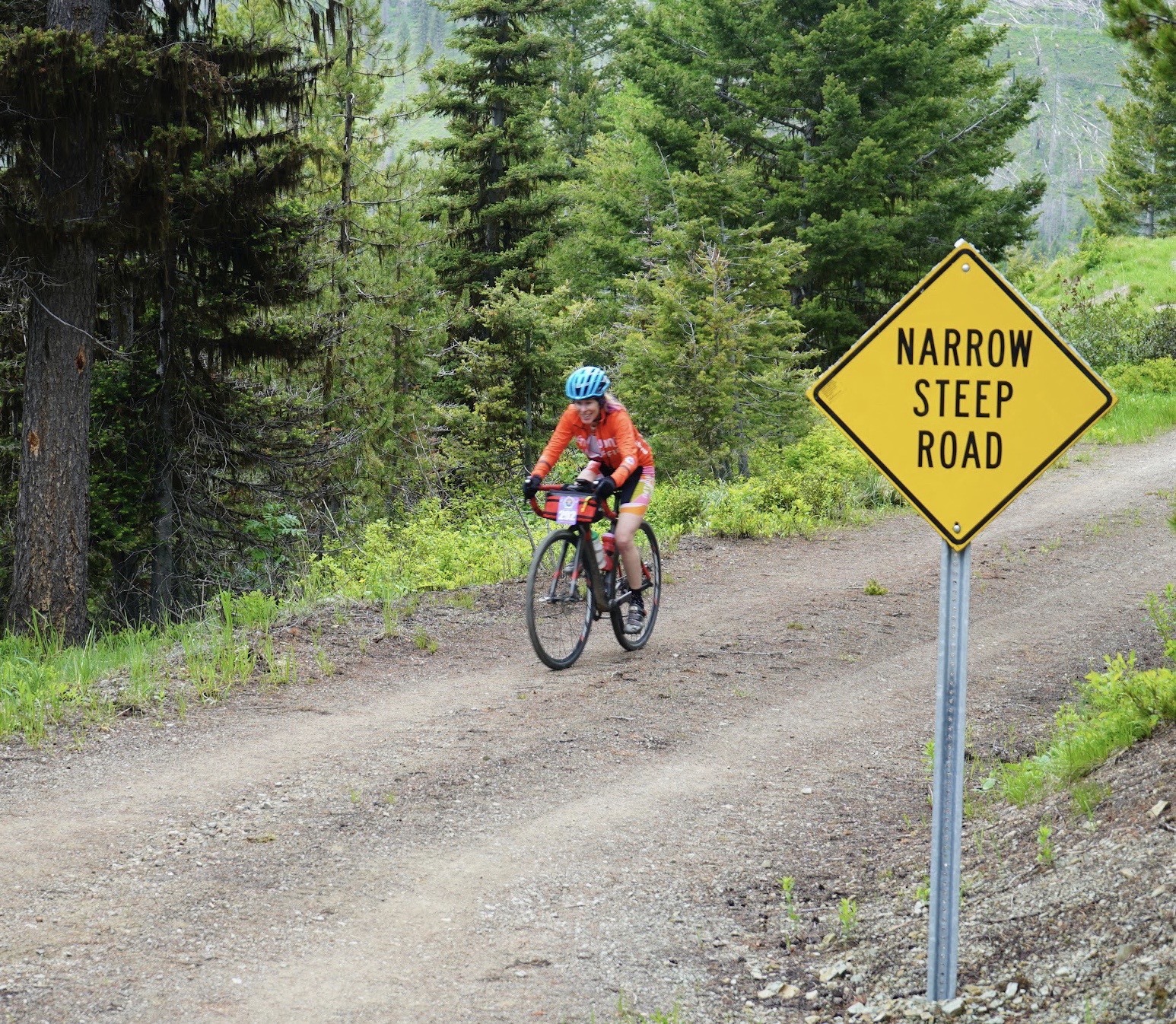
There were two start waves on Saturday morning. The longer route departed earlier at 8 AM, and the shorter course departed at 10 AM. Parking was very clearly communicated to racers; as were expectations about stopping before the one major highway crossing. The course was very well marked, with both signage, and volunteers pointing the right direction. There were two aid stations along the shorter course: one at the base of the climb, and the other just five miles away at the summit of the climb. Personally, I would have liked to see these spread out a bit more. The first aid station, was well stocked with pre-packaged snacks and fluids for topping off bottles. They also offered olives and pickles – yum! The second station had a similar offering, although slightly fewer options – I’m guessing this is because it was even more remotely located than the first aid station.

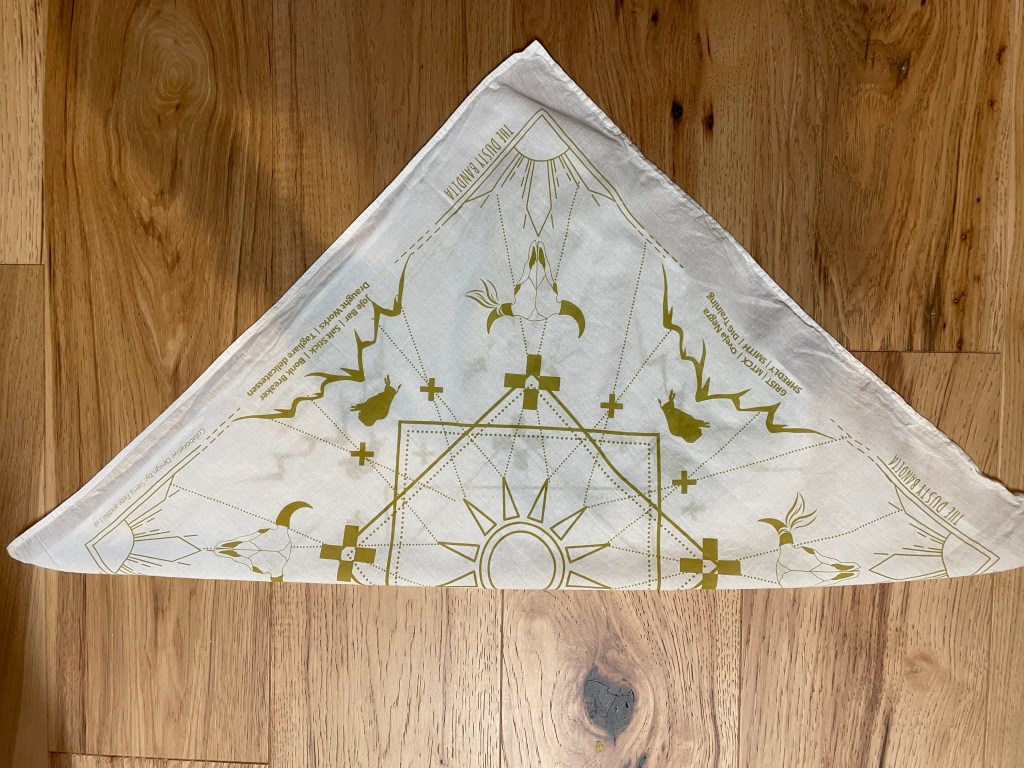
My favorite part of this race was the finish line, which was not visible until you were nearly there. The very last quarter mile of the race was up a slight hill and the finish line was hidden around a corner in the heart of the town square. When you finally crested the hill and came around the corner, there were hoards of people gathered in the town square to watch finishers. There was applause, inflatables surrounding the timing equipment, and an announcer who made me feel like I had just finished in first place. Inclusivity and support were some of the reasons this race was founded, and I definitely felt both throughout event, but especially at the finish line. All race finishers received a Dusty Bandita bandana and stainless steel coffee mug.

All race entries included a post-race lunch ticket, which was very important. A town the size of Ovando has few and limited dining options for such a large crowd. Racers had their choice of sandwich, chips, drink, and cookie.

What’s the story with the grizzly bears that I mentioned earlier, you may be wondering. In 2021, a woman was was pulled from her tent by a grizzly bear as she was sleeping. Race organizers did a fantastic job of communicating the seriousness of tent camping in the Ovando area. Here’s an excerpt from one of their emails:

If you do choose to camp, you’re on your own, and please, please, please practice BEAR SAFETY while camping. Grizzlies frequent the area and roam around the town of Ovando, so take bear safety seriously: 

  • Have bear spray on you and in your tent/van.
  • No food or fragrances (including toothpaste) in tents/vans, etc.
  • Use secure bear storage.

Their website even has an entire page dedicated to this topic.

Despite all the talk of grizzly bears, I didn’t see a single one on race day. The closest thing to a grizzly bear was the huge pile of scat on the ascent to the second aid station. They were most definitely in the area!

It would be remiss if I didn’t mention the significant number of women who opted to stop in the middle of roads or on blind corners to chat or address mechanical issues. This happened on flat roads where there was plenty of room to pull to the side, and on the descent from the race course summit, where there wasn’t much room or visibility for riders coming up from behind. They were oblivious to the danger they were putting themselves in, as well as every other cyclist who encountered them. This is something the race organizers should address in their communication in the future. It seems like it would be an obvious safety concern, but due to the large numbers of women that were doing it, it should be clearly communicated going forward.

While Ovando was certainly out of the way, I would do it again!

Boulder Roubaix

There’s a race in Europe called the Paris Roubaix.  It is known for being brutal due to a combination of potentially treacherous Spring weather conditions, the distance (~150 miles) and the cobblestones.  Colorado has its own “mini” Paris Roubaix.  It’s called the Boulder Roubaix.  I couldn’t find a lot of history about the Colorado race, but what I do know is that it is held every three years in the Spring in Boulder County, Colorado.  When I first joined the cycling team, I remember hearing about the race in 2012 and had not seen it on the race schedule again until this year.  For that reason alone, it was a must do!

It had been recommended that I swap out the skinny 23 mm tires on my road bike to a slightly wider tire of 25mm.  This was to provide just a little more traction on the gravel sections of the race.  The race flyer also suggested doing a bolt check before the race…that’s something I had never seen mentioned on a race flyer before.  So I checked the bolts on my bike and ensured everything was tight and ready for bumps.  Because Boulder County, Colorado does not have any old cobblestone roads like in Europe, we would be spending roughly half of the 18 mile course on paved roads and the other half on gravel roads.  On a pre-ride of the race course in the days before the race, a team mate and I found the gravel sections to be surprisingly smooth.

On race day Saturday, April 11, I lined up at the start line with three other team mates under blue skies and sunshine.  Our race category would be taking two laps for a total race of 38 miles.  Our strategy was pretty simple: not to get knocked over on the bumpy sections and to stick together.  We intentionally dropped to the back of the peloton after the start because we didn’t want to be going through the first few corners with the group.  We didn’t want to risk being crashed out in the first few corners of the race, which were on a bumpy gravel road.  As we neared the first paved section of the race, I could see the peloton ahead of us and knew that it would be difficult if not impossible to catch them once they hit the pavement and went even faster.

Our strategy of sticking together also slowed down our progress because with varying fitness levels, you can only go as fast as your slowest rider.  We ended up dropping one of our own teammates near the end of the first lap.  There were a few gals here and there who jumped on to work with us rather than finish the race solo.  For the most part, everyone took their turn at the front of the pace line (pulling). Those who didn’t were dropped or shamed into doing their fair share.  For those of you reading who are unfamiliar with pace lining, the rider at the front of the pace line does most of the work while those following are able to rest and refresh their legs. The pace line goes faster than an individual rider because as a rider fatigues, she pulls off the front and tucks into the back of the pace line.  The next person in front of the line has fresh legs, sort of.  Occasionally, a pace line ends up with someone who wants to rest their legs and not take pulls.

As our group approached mile 33, I told my team mate it was time for us to break away.  We were approaching a prolonged climb and I thought we would be successful here in dropping the rest of the group.  Unfortunately, she didn’t hear me, so I soon found myself in a solo break away.  I kept looking back expecting that she would bridge the gap, but I didn’t see that happening.  So I was on my own for the last five miles.  I crossed the finish line at 2:03.  The race leaders were about ten minutes faster.

There were many lessons learned from this race.  One of the most important is to not underestimate your competition.  We had anticipated the peloton would blow apart much more than it did.  In reality, the top ten finishers must have worked together and ended the race with a sprint finish ~ or so it seems based on the results.  The race course itself was well marked with lots of mile markers and volunteers at every turn.  It was a very well run race and seemed very logistically organized… kudos to the promoter!  As for the gravel roads, I can’t say they’re my cup-o-tea.  Then again, I have three years to forget them before the race rolls around again.

Boulder Roubaix