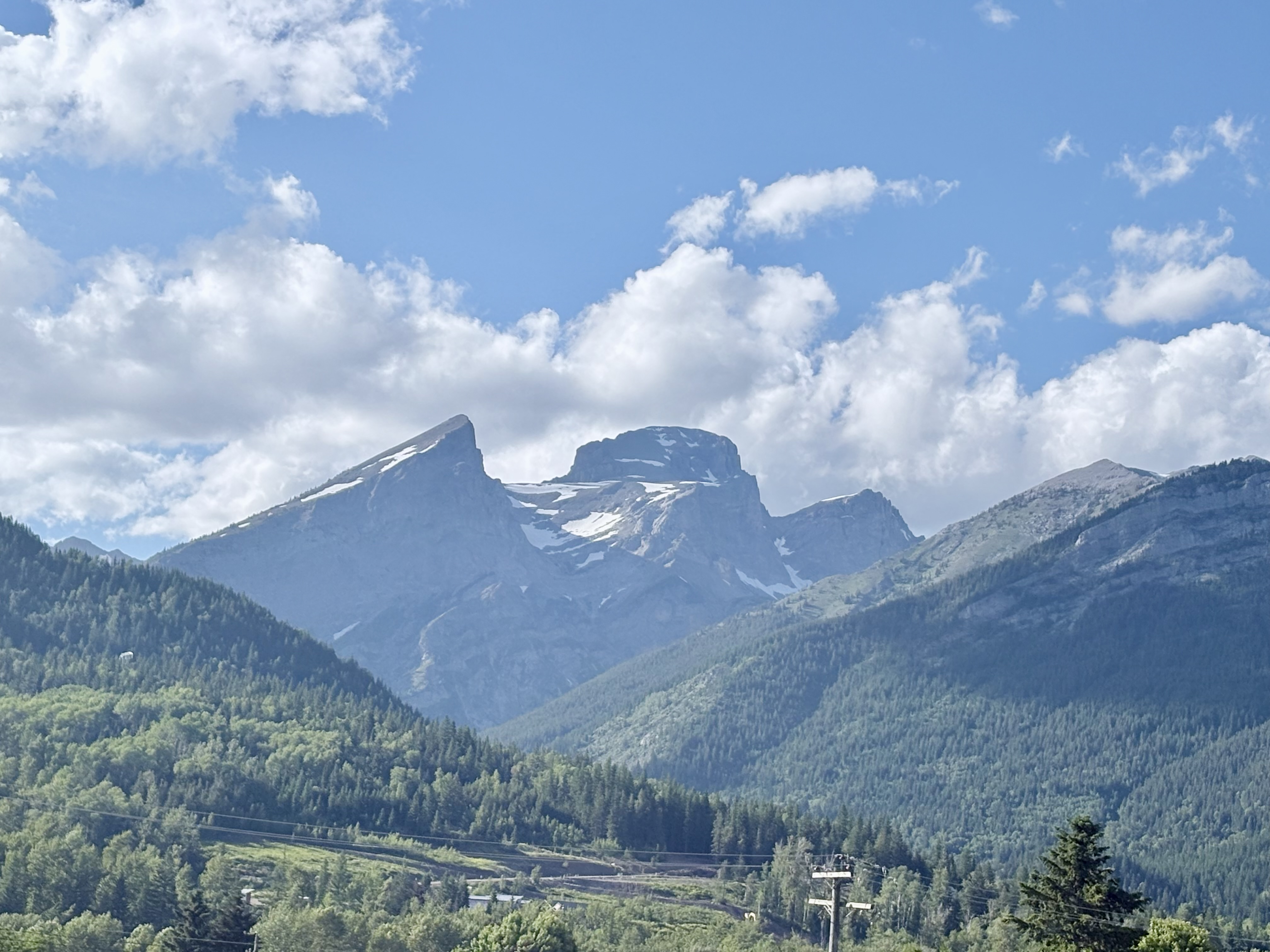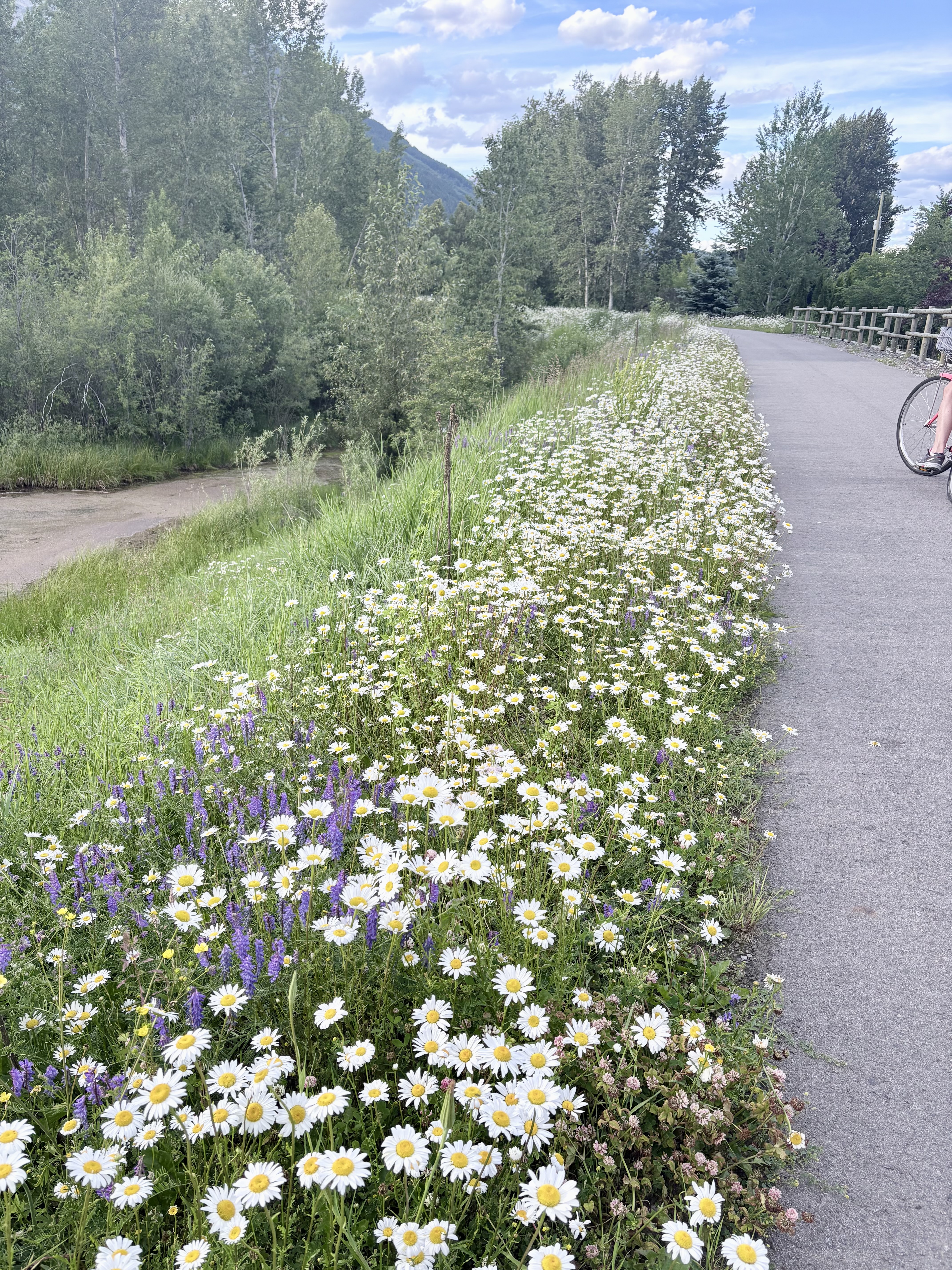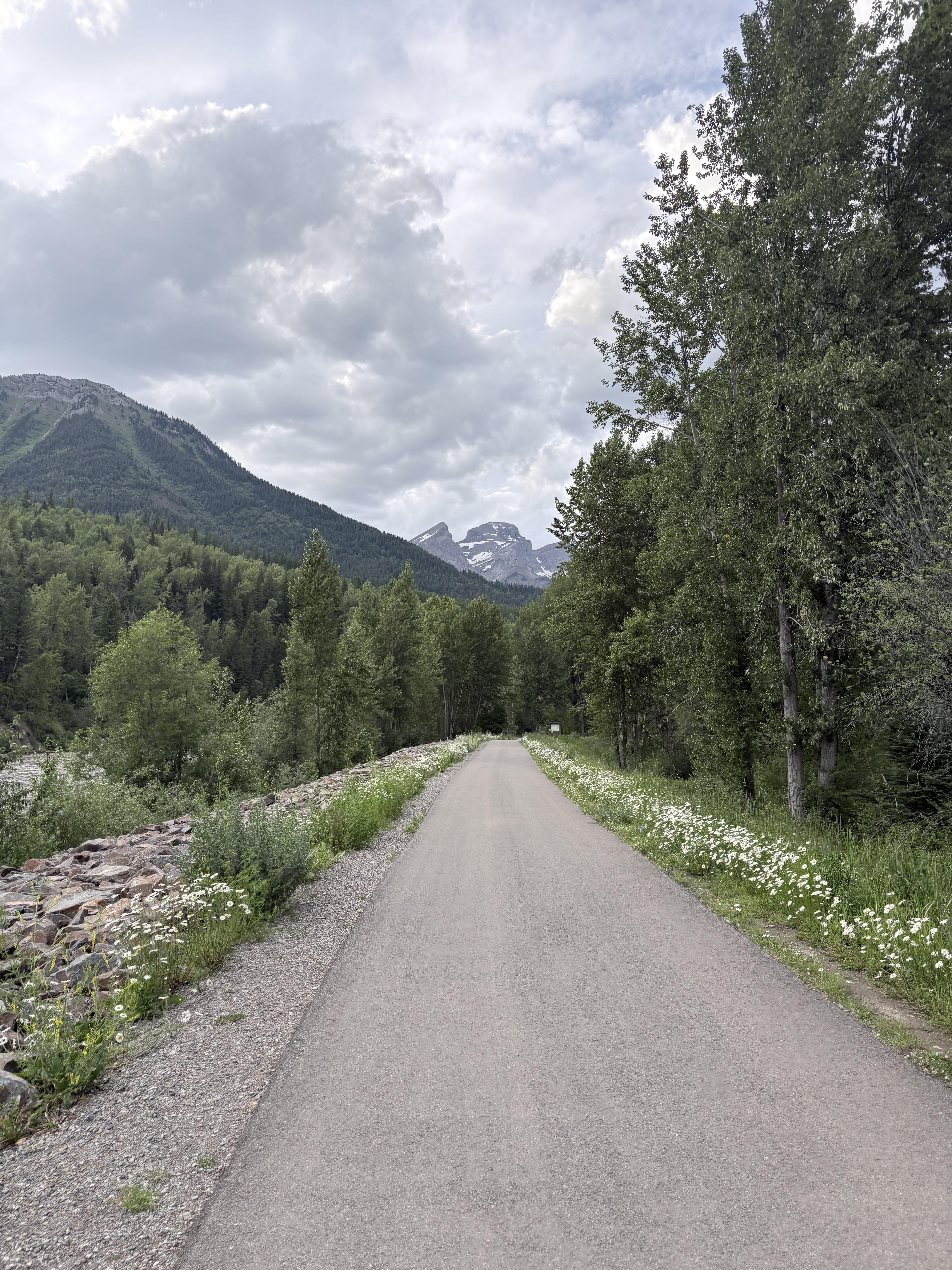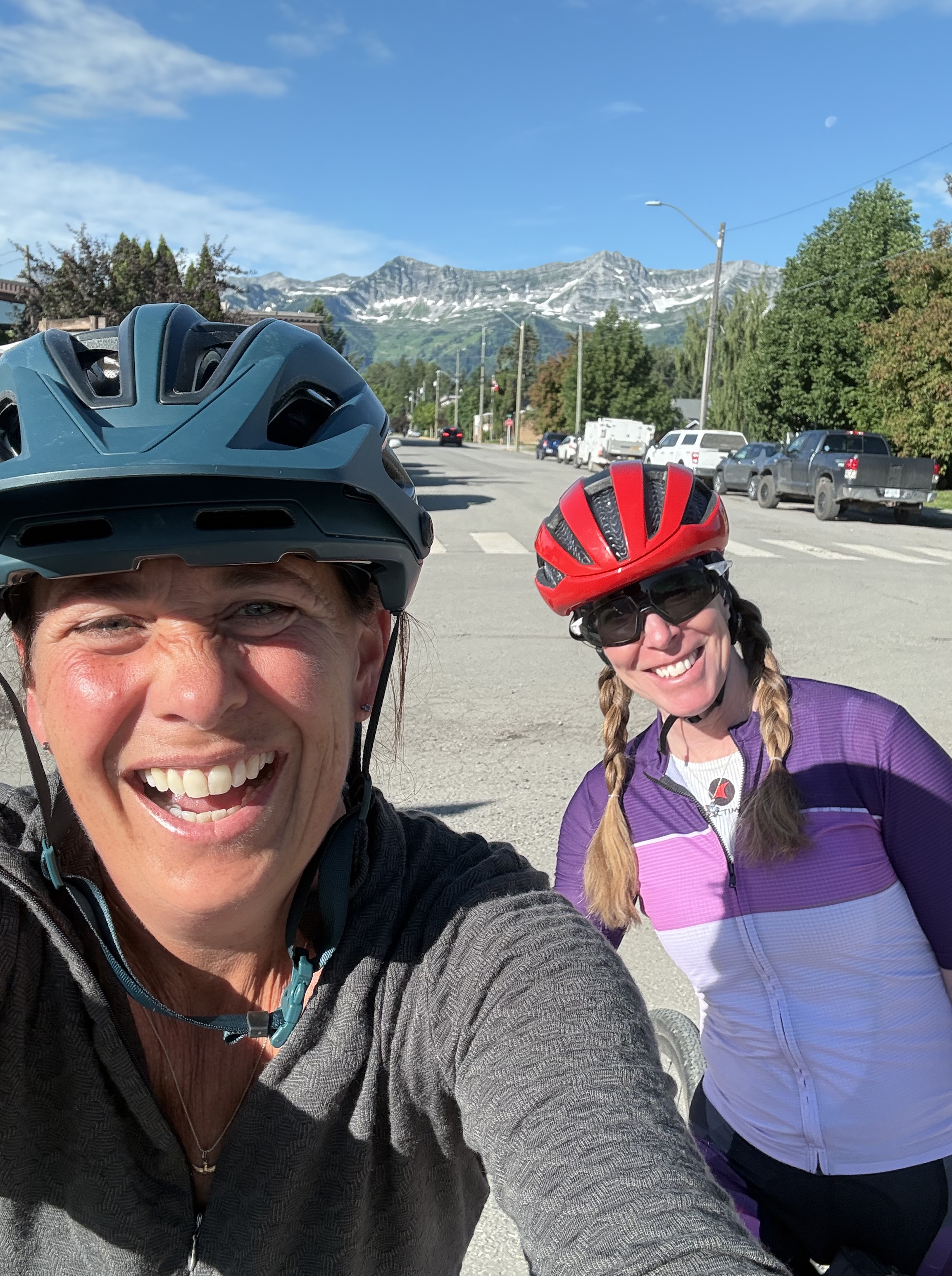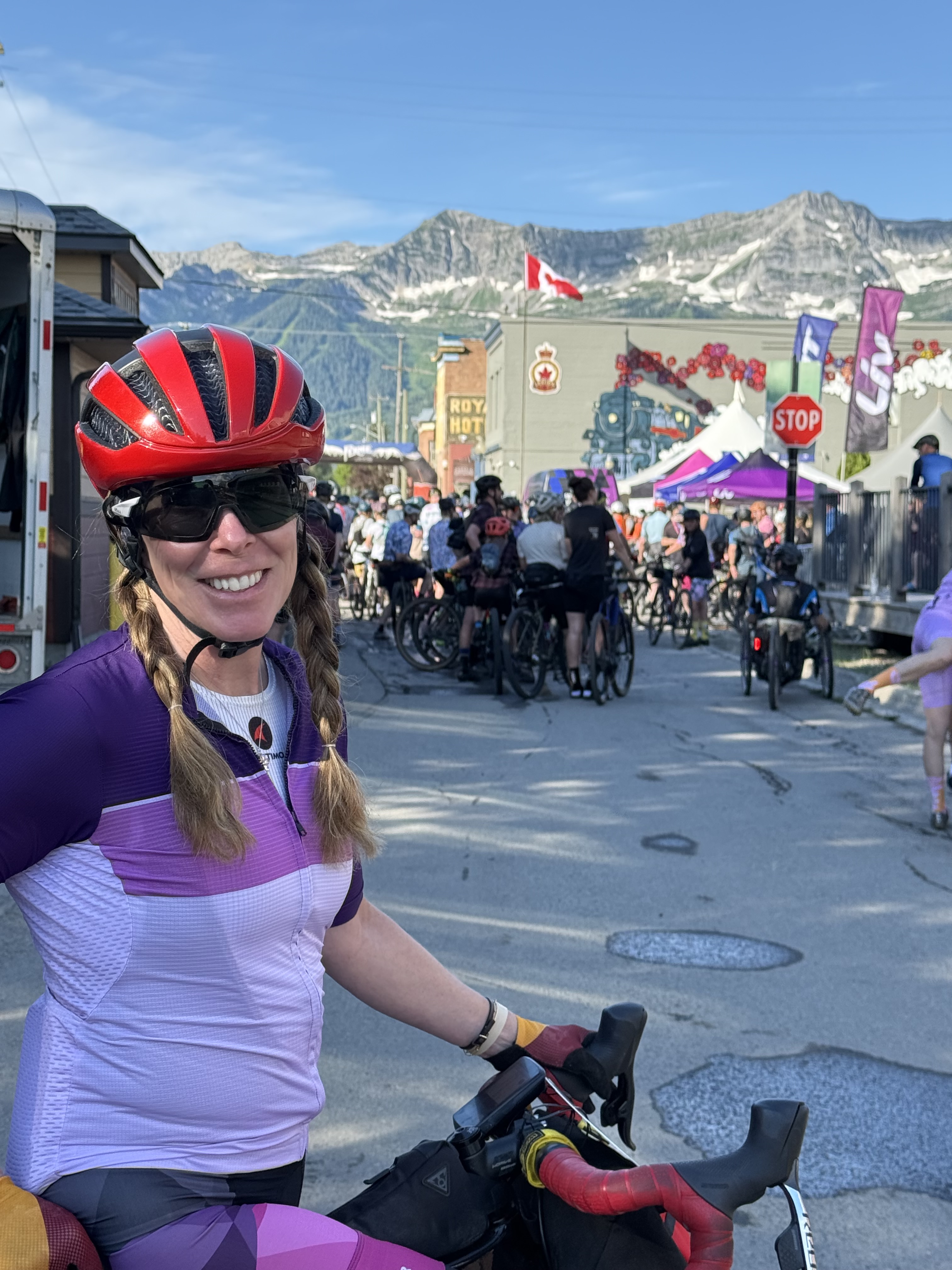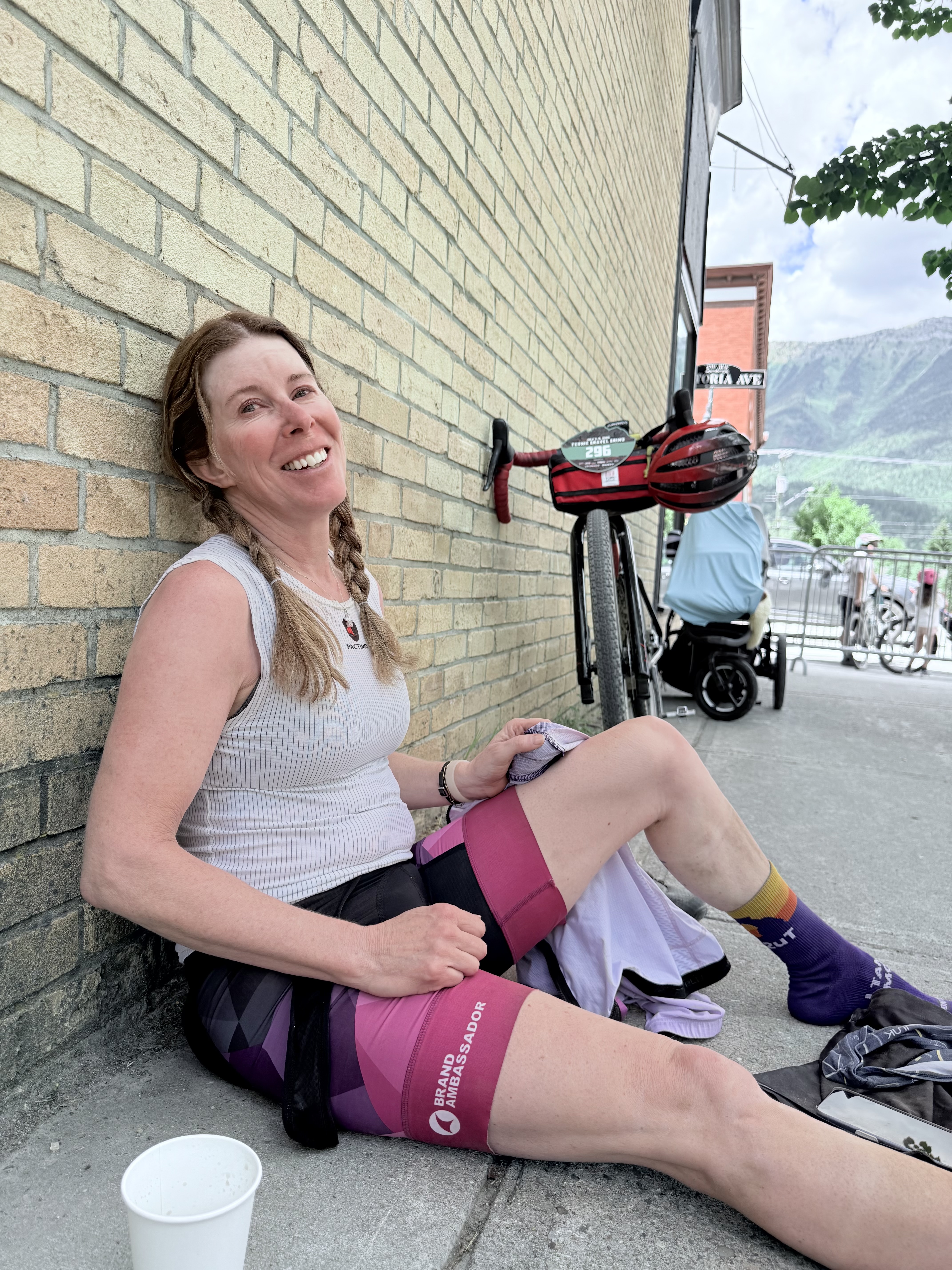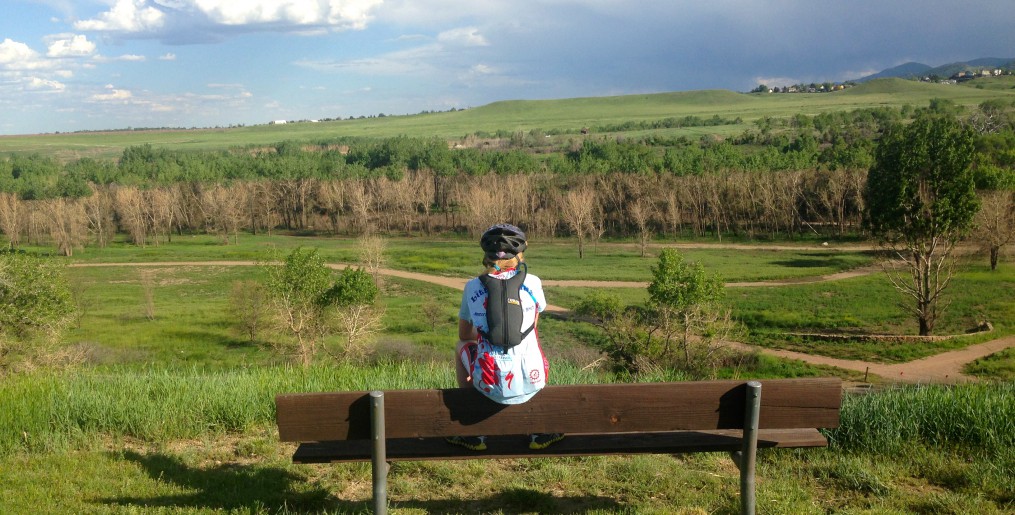
Fernie. The word itself conjures up images of jagged, snow-packed peaks, skiing, and mountain biking. So when my cousin suggested the Fernie Gravel Grind, I was immediately interested. I knew the scenery would be beautiful. I imagined the course taking us across forest service roads and over steep hills. And it delivered.
Here’s what I loved about the race:
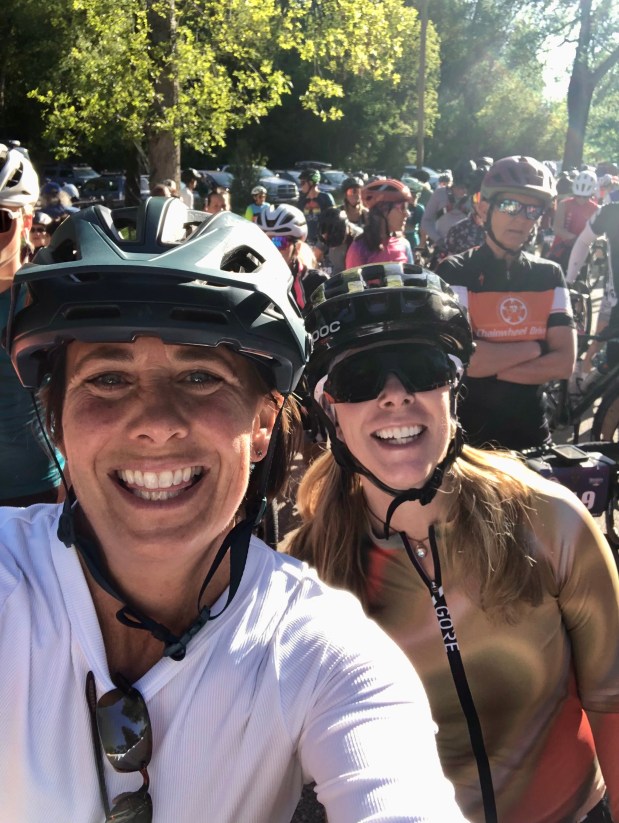
First and foremost, the organization of this event was top-notch. Email communication began several weeks before the event, with regular updates about the schedule and the course. Through those emails, I learned about a women-only pre-ride sponsored by Liv. This pre-ride was very well organized and supported by Liv ambassadors, which was a great way to get familiar with the course and meet some other women before race day.
Packet pickup, the race start and finish, and the event expo were all conveniently located in the same area. It’s obvious that the town and locals are highly supportive of this event. Fernie is a quaint, small town and very rideable, making it possible to park your car when you arrive and use your bike as transportation for the duration of your stay. I loved that.
I also appreciated that a WhatsApp group was set up for communication during the last couple of days leading up to the event. It was a simple touch, but a useful one for last-minute updates and information.
The race course itself was very well marked throughout. The Medium Haul course covered 35 miles and included 3,500 feet of elevation gain. There were two “stoke” stations along the way, and volunteers were stationed at various locations throughout the course to make sure racers stayed on track and were aware of rough sections—or deer—ahead.
As mentioned previously, it’s obvious that the locals are proud of this event and highly supportive of it. The volunteers were enthusiastic, helpful, and encouraging, and that made a difference throughout the ride.
The Stoke Stations
This is where I was left wanting more.
If you’re going to hype an aid station into a “stoke” station, then it really needs to deliver something special.
There were two stoke stations on the Medium Haul course. I arrived at the first one after pedaling for more than two hours and completing the majority of the 3,500 feet of elevation gain. I was curious to see what all the hype was about. After that much climbing, I was ready for some serious stoke.
Instead, I found limited offerings of water, pickles, and some gummy-style candies.
I’ve seen an aid station or two in my riding career, and what was offered at this one fell pretty far short of the hype—and the level of stoke—I was expecting. Maybe my expectations were simply too high. But when you call something a “stoke station,” I’m expecting more than what I could have found in my own saddle bag.
Fortunately, I had packed my own stoke to fuel the rest of the ride.
Because the first station was so disappointing, I decided to skip the second one. My cousin later informed me that the second aid station was, in fact, very “stokey.” Perhaps it was because the second station was closer to town? Or maybe I just hit the wrong one at the wrong time. Either way, I’ll never know. But next time, I might stop at both—if only to conduct some very important stoke research.
The Single Track
The organizers were quite proud to include a section of singletrack at the beginning of the race. I’m not exactly sure why this was so important, because all it seemed to do was slow down hundreds of riders.
The bottleneck was significant enough that we came to a complete stop more than once. Of course, in true Canadian style, nobody seemed particularly bothered. Instead, the racers chatted, laughed, and got to know each other while we waited for the trail to clear. So, I suppose it was a great opportunity for socializing—just not a particularly great opportunity for racing.
I’m not sure if this section is part of the race every year, but if it is, I’d advise the organizers to reconsider it. It’s a gravel race, after all, not a mountain bike race. There’s plenty of gravel, climbing, and beautiful scenery to keep us entertained without creating a bottleneck right out of the gate.