Beartooth La Femme – a Ride Review

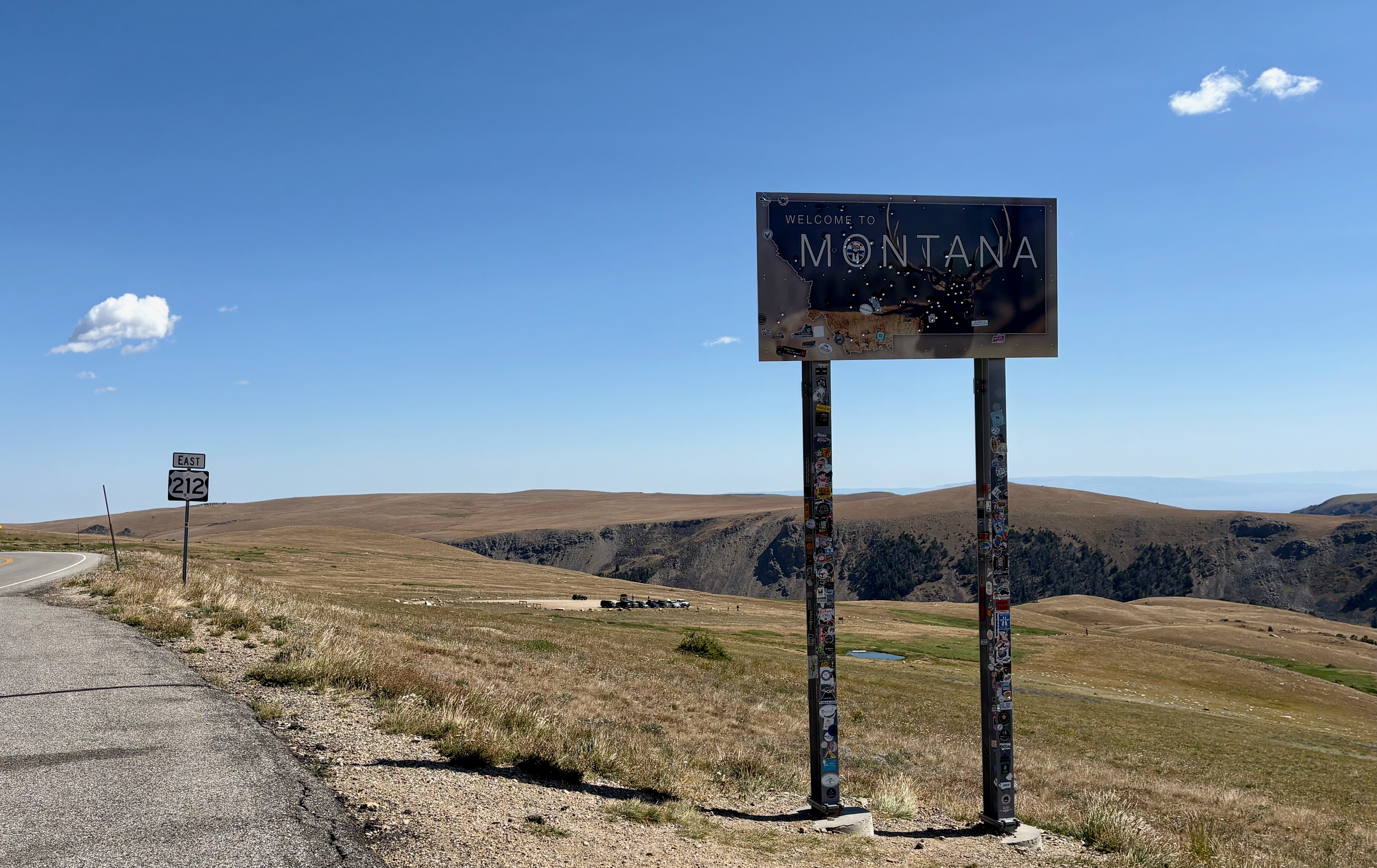
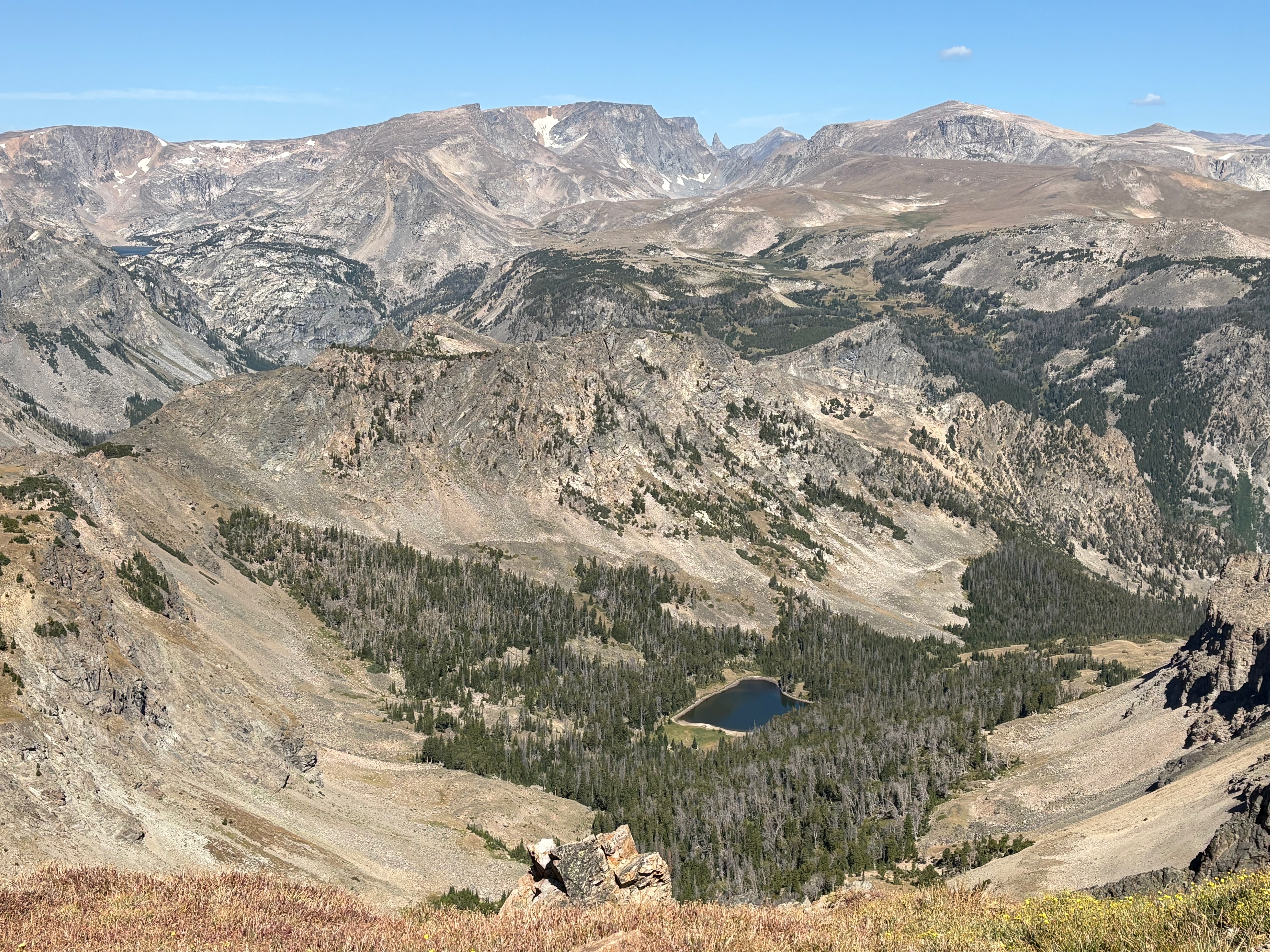
The Beartooth La Femme is a fully supported, women-only cycling event that starts and ends in Red Lodge, Montana. As the name suggests, the route follows the iconic Highway 212—also known as the Beartooth Highway—to the summit of Beartooth Pass, which sits at 10,947 feet above sea level. This stretch of highway is paved and well-maintained, and includes sharp switchbacks and beautiful views of the Beartooth Mountains as it meanders between Montana and Wyoming. It’s a legendary route, and this event offers a rare opportunity to ride it in a supportive, women-centered setting.

Here’s what made the Beartooth La Femme a standout experience for me:

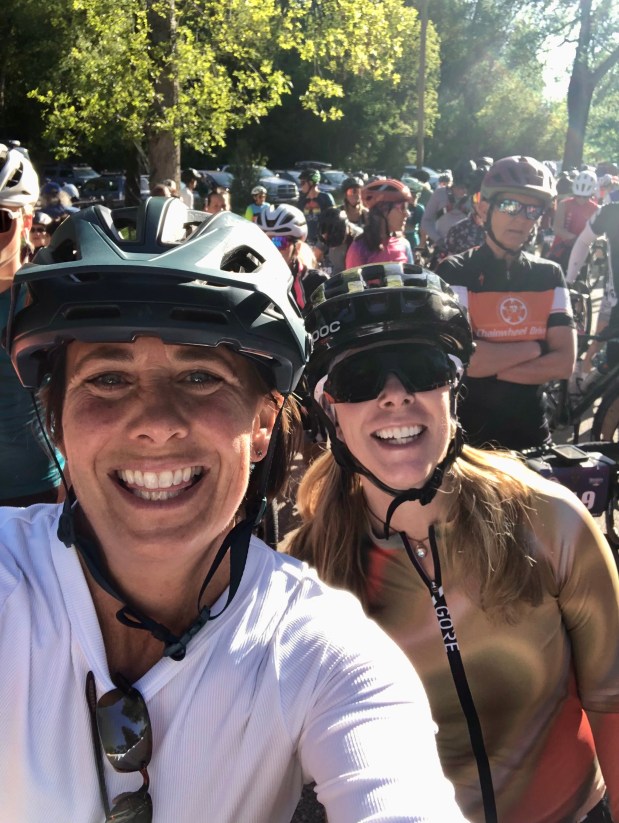
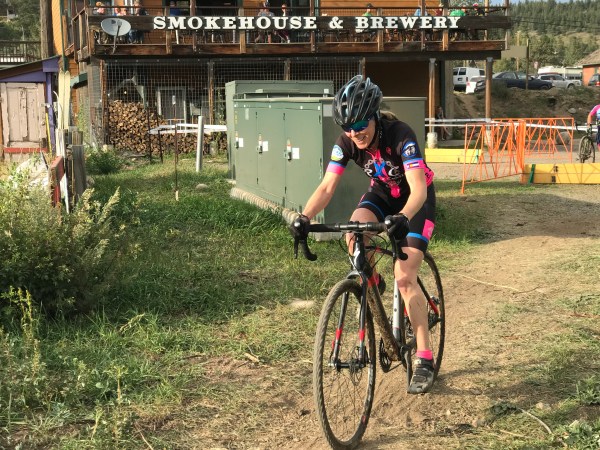
1. This event is limited to just 75 women, which keeps things intimate and, more importantly, safe. Traffic on the Beartooth Highway can be significant—especially on weekends—so the ride is held on a Monday. The route begins in downtown Red Lodge and starts with a wide shoulder, which gradually narrows as the climb progresses and ultimately disappears near the summit. The organizers discouraged personal support vehicles along the route—something I really appreciated. If each rider had a support vehicle following them, it would only increase the traffic on an already busy stretch of road. And because the riders were all women, there were cheerful conversations along the way- until the air got thin.
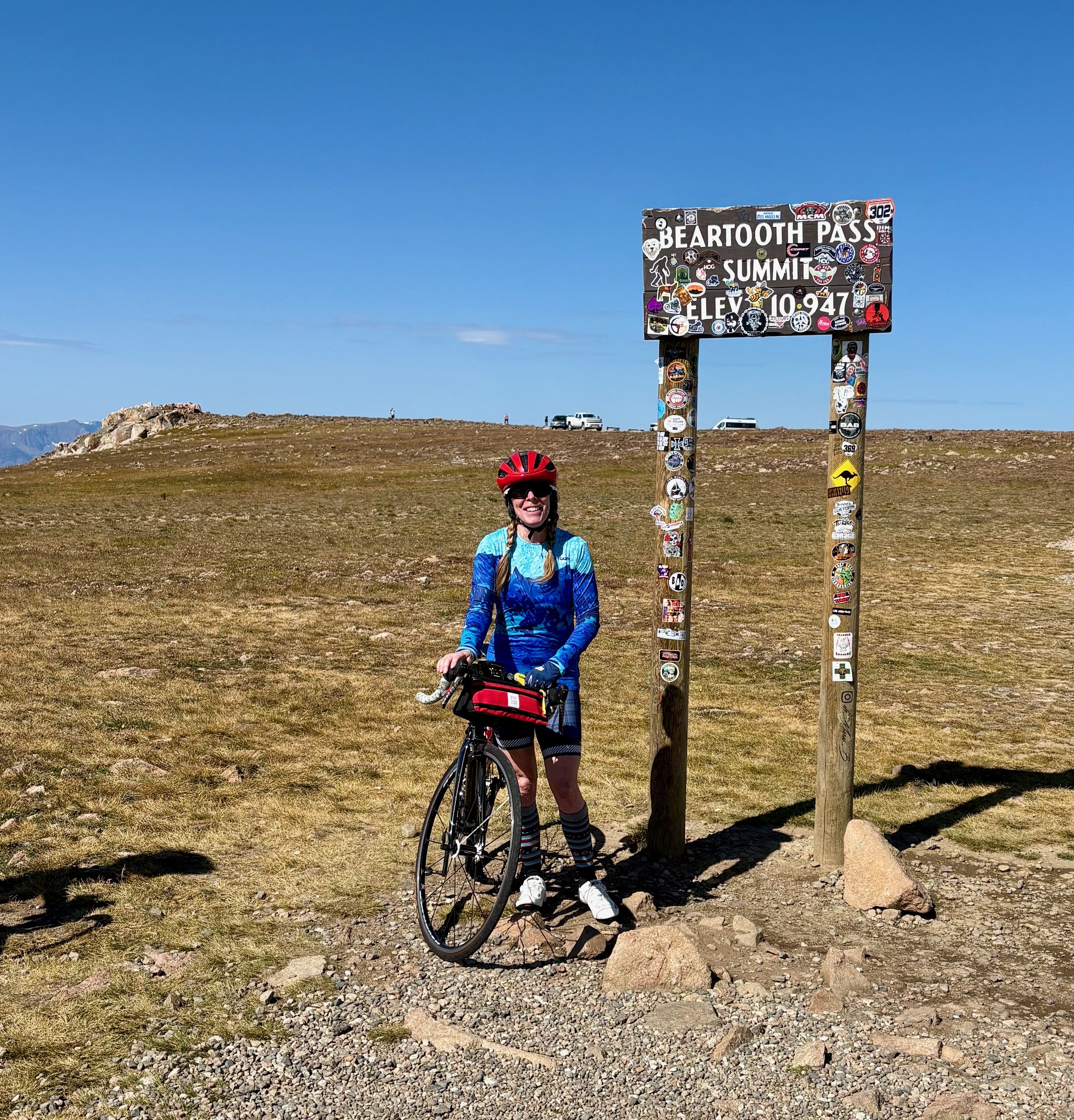
Me in the beautiful cycling top at the summit

2. The registration fee included a pre-ride dinner of pasta, salad, and dessert at the charming Pollard Hotel. It was a great opportunity to meet and connect with other riders. The dinner also served as a briefing session, with organizers providing detailed information about the next day’s weather, traffic expectations, route conditions, and support options.

3. The registration fee also included a cycling top. I’m not usually fond of jerseys that come with registration fees because they’re often lower qualit than what I would normally purchase. However, the Terry Soleil cycling top is exceptional. It features a beautiful custom print of the Beartooth Mountains, UPF 50 fabric, and three generous rear pockets. It’s now one of my favorite pieces of cycling gear.

4. From pre-ride communication to on-course presence, the support for this event was phenomenal. Aid stations were well-stocked, and the mobile SAG vehicle made multiple passes along the route. It was reassuring to know that if I’d needed help along this 60 mile route, it was never far away. The organizers moved the start time for the ride up by thirty minutes because afternoon thunderstorms were expected, and at 10,947 feet, rain can quickly become snow. Some riders were forced to turn back as the weather moved in.

The Beartooth La Femme is more than just a bike ride—it’s an empowering, well-run, and beautifully scenic challenge designed with women’s safety and camaraderie in mind. If you’re looking for a high-altitude adventure surrounded by supportive energy, this ride absolutely delivers.
The Dead Swede – A Race Review

The Dead Swede – A Race Review

I’ve driven through Sheridan, Wyoming more times than I can count. I’ve been going back and forth between Billings and Laramie, Cheyenne, or Denver for more than half my life. I always thought that the scenery around Sheridan was so green and beautiful. When it came time to plan the annual cousin’s ride, I was looking for an event somewhere between Denver and Bozeman. I was thrilled to find the Dead Swede right there in Sheridan.

The event offered 100, 60, and 40 mile route options. They even had a 20 mile option for beginners and families… what’s that saying about starting ’em young? We opted for the 40 mile route and registered back in February. Leading up the to event, there were only a handful of emails from the organizers, which I appreciated. Packet pickup was the day before rather than the day off. While that might eliminate some of the race day chaos, it pretty much requires that participants book some form of lodging for one night.

I loved that the event started and finished at Kendrick Park, right there in the heart of town. These lovely creatures were grazing on the hillside overlooking the park as we lined up at the start line. Our wave departed at 8:00 AM. The course headed west on a paved gradual climb for about nine miles. Then the course turned north onto the gravel nestled along the base of the Bighorn Mountains and the biggest climb of the route began.

Shortly after that climb was the first of three very well stocked aid stations. The aid stations were positioned about every 10-12 miles or so. The second aid station offered pickle juice shots, and the third aid station offered bacon and PBR. I skipped the beer but had two slices of bacon. The organizers clearly communicated that cars shouldn’t be on the course providing services to riders – that’s what the aid stations were for. This was for rider safety, and to minimize the dust in the air. I thought this was brilliant and would love for other gravel events to take a similar stance. Of course there was a car here and there, but they didn’t kick up the dust like I have typically experienced when riding on a gravel road. I’m not sure why this was – perhaps it rained the day before, perhaps they use oil on the roads?

After crossing the finish line, racers were greeted by cheering crowds, a band in the amphitheater, and the smell of delicious barbecue. Overall, it was a very well marked course, communications were optimized, and the process from registration to packet pickup to post meal collection was seamless. Registration fees included a very cool Dead Swede t-shirts, sticker, and pint glass. I highly recommend this event!

Bacon, Bears, and Bikes

Bacon, Bears, and Bikes

A trip to ride through vineyards in Tuscany was initially suggested. Yet we found ourselves in remote Montana on a chilly, overcast Saturday morning in the company of bacon, bears, and bikes. How did we get here? When did this all start?

It all started back in 2010, when life forces a person to shift gears and adapt to what remains; in other words, life has a way of bringing people together. The biking part of it all started back in 2016, when two cousins decided to take a bike ride through Yellowstone National Park. We had pledged back in 2016 to make the get together an annual, or biannual, event at the least. Then life got in the way, including a pandemic, so we never had another adventure… until 2023.

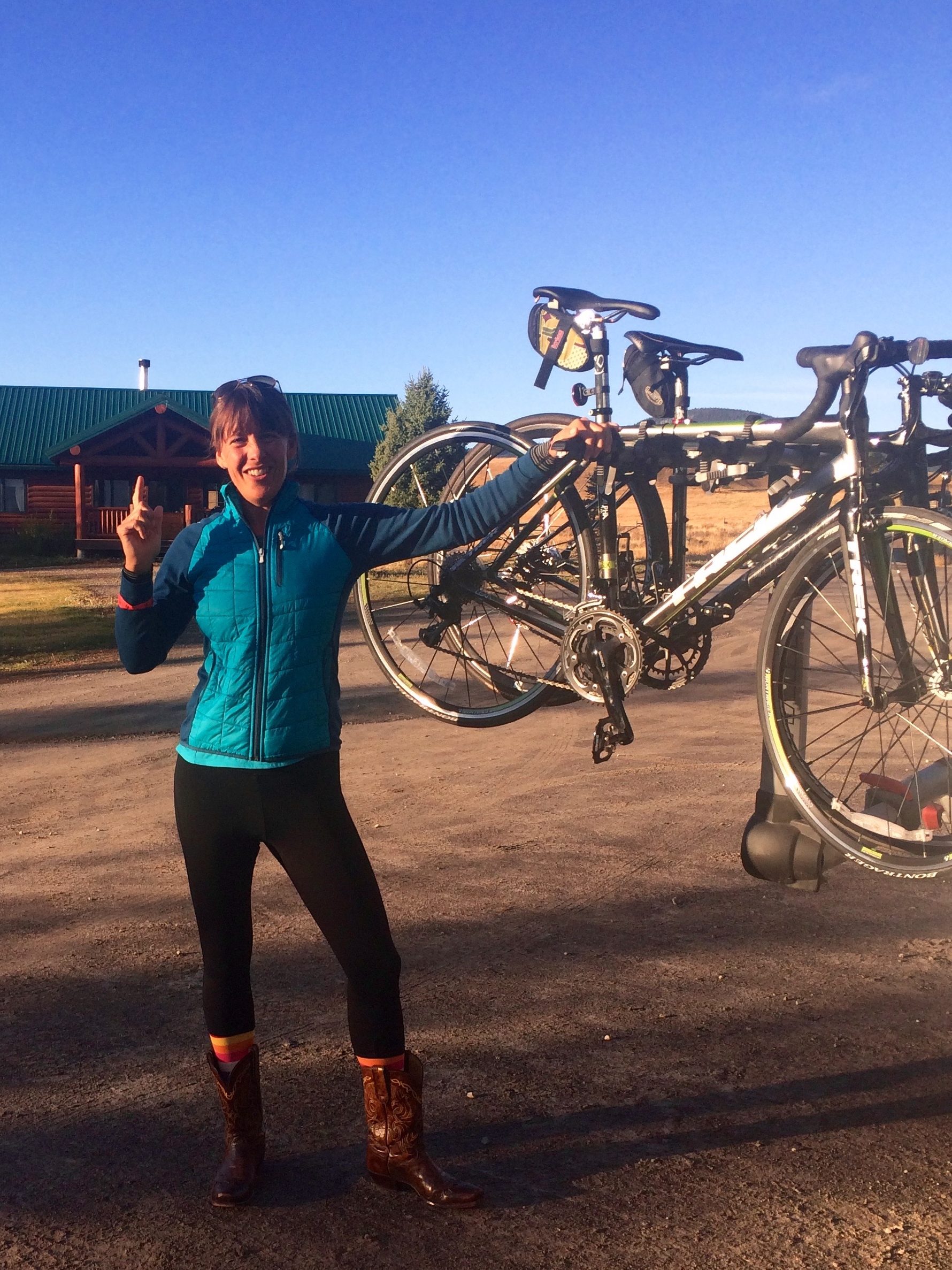
I don’t anyone else who can pair cycling apparel with cowboy boots, and make it look good!

As we prepared for departure to Ovando the next morning, there was a lot of discussion about bacon. Not only did we have bacon for breakfast, but KMax decided that bacon would be her snack of choice during the Dusty Bandita. She also decided that having bacon loaded jersey pockets, warranted a bike bell, to alert the grizzly bears that she was coming… in case they couldn’t already smell the bacon. It was at this moment I knew the grizzly bears were not a concern for me. I just had to be faster than KMax. So we left Bozeman with a cooler full of bacon, stopped in Helena to pick up a bike bell (and see Aunt MJ), and headed to Ovando for packet pickup. The further north and west we went, the harder it rained. We opted to stay near Seeley Lake on Friday night, which was about a 40 minute drive from Ovando with the road construction.

On Saturday morning, we arrived in Ovando about 45 minutes before the race started at 10:00 AM. The skies were gray, and eventually let go with a steady but light rain. I had somehow managed to leave most of my cold weather riding gear back in Denver. I’m still a little puzzled by how that happened, but I think my intention was to go back and add it to the gear bag, but I forgot to circle back. (Rookie move!) There was some discussion about abandoning the race and going over to Flathead Lake instead. But we decided that we had to at least give the race a chance and ride for a few miles before completely abandoning it. Besides, I didn’t drive all that way with bike gear, to not use it!

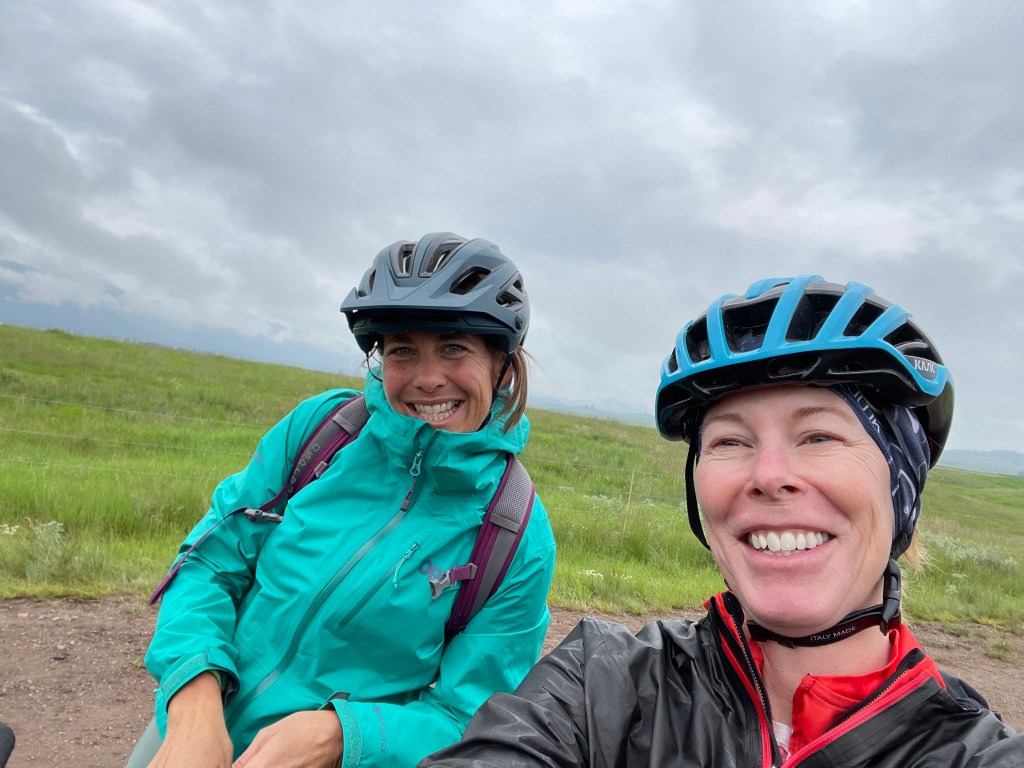
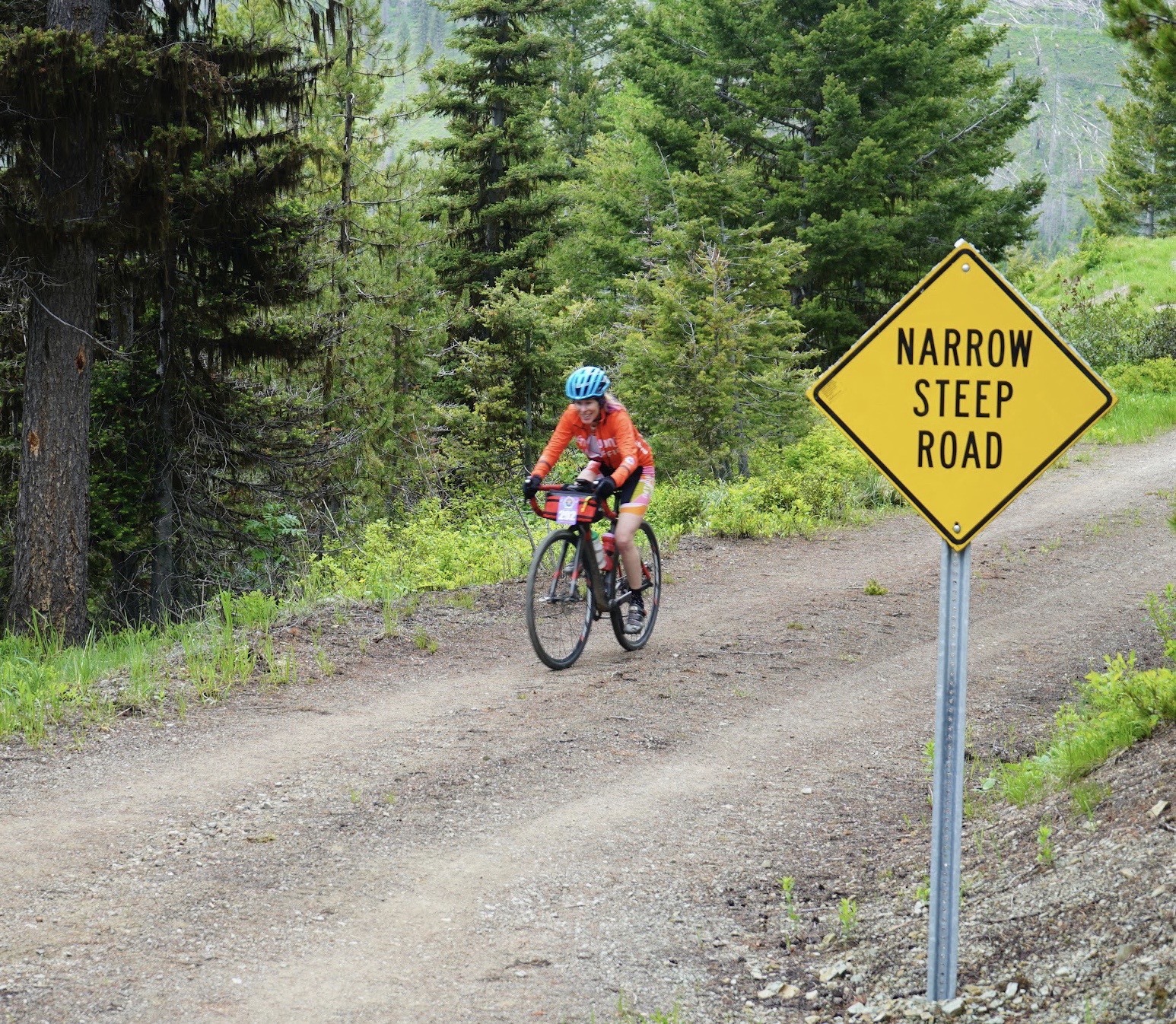
The first couple of miles were sloppy as the rain continued its steady descent onto the dirt road. But within 5 miles or so, it tapered off and we were left with decent temperatures under overcast skies. It ended up being perfect riding weather: not too hot, not too cold, just right! This picture shows the two of us at the first aid station, snacking on bacon, and other tasty and salty treats! This was a fairly remote section of the race and if there were bears to be seen, this would have been a place to see them. Alas, the only sign of bears that day was the huge pile of scat on the road. The aid station was at the base of the climb, and this is where KMax and I split up to ride at our own paces.

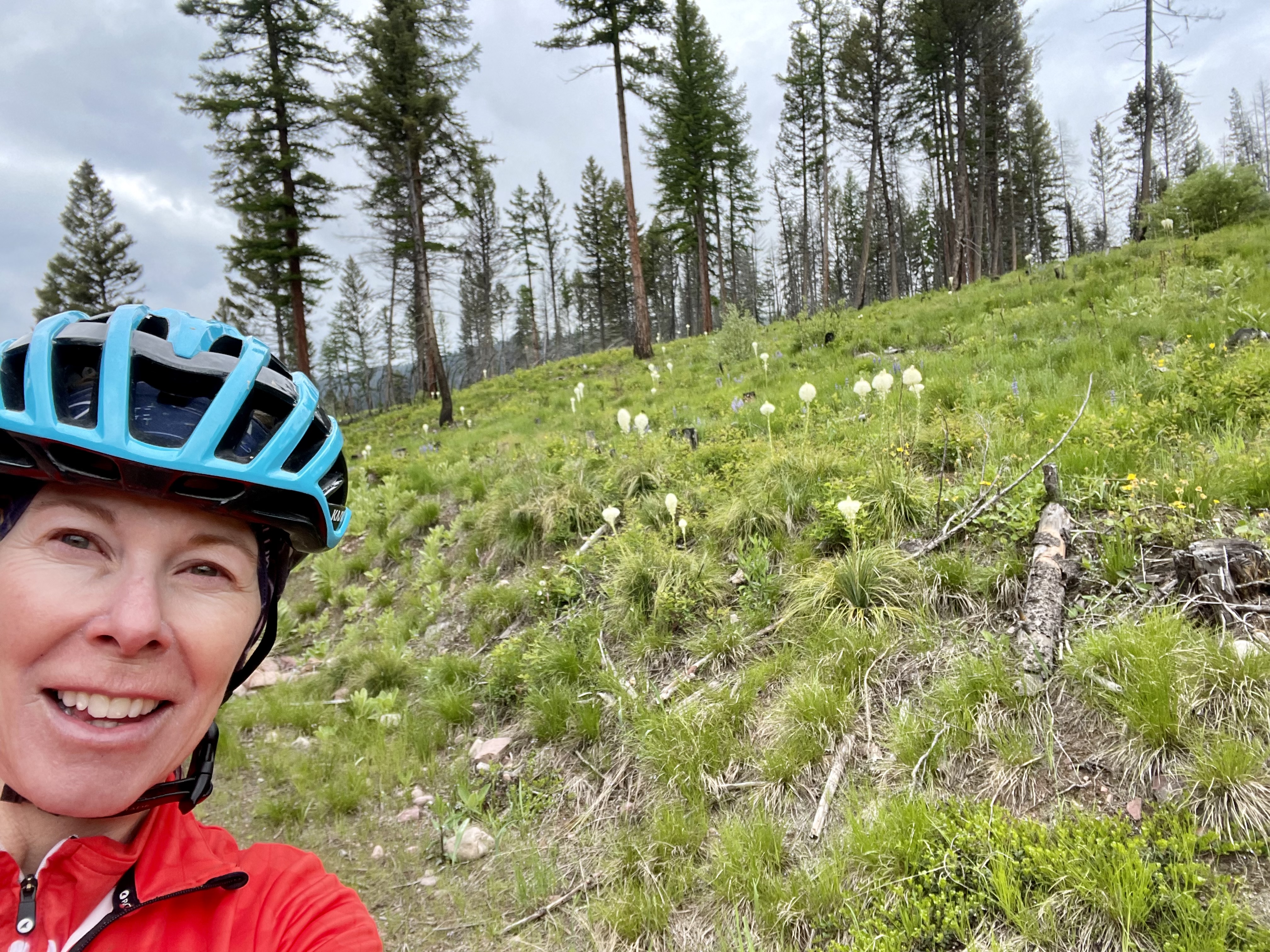
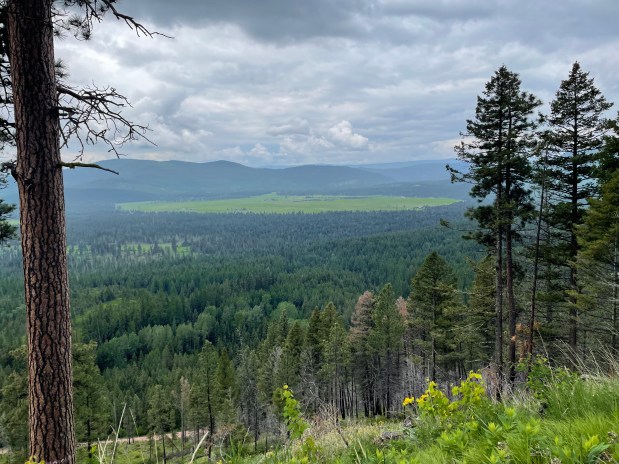
All the moisture over the winter left behind meadows bursting with wild flowers and green prairie grasses. I had to stop several times to take it all in, and some pictures! Our parade most certainly got rained on that day, but there was no shortage of smiles and laughter. Oh, and we still went Flathead Lake anyway!

The Dusty Bandita – A Race Review

The Dusty Bandita – A Race Review

Background:

The organizer’s held their first edition of the race in 2022. This is a women’s only gravel race held in the remote location of Ovando, Montana. For 2023, two courses were offered: a 45ish mile course, and an 80ish mile course. You can check out their website to learn more about the race, the name, the location, and the fantastic crew putting it all together.

Registration & Race Communication:

The registration process was smooth and I was able to register myself and a friend without any trouble. Communication leading up to the event was timed well, and began at one month out with a weekly email update. Lodging, camping, parking, cutoff times, and the event schedule were very well communicated. Final GPX files were provided at approximately one week out from the event. The organizers did a fine job of addressing two concerns: snow pack (which did finally melt in time) and grizzly bears. Yes, grizzly bears.

When we arrived in Ovando, Montana on Friday night for packet pickup, the hardest part was finding the church where packet pickup was located. Ovando is a tiny town and prominent signage isn’t really necessary when everyone from there knows where everything is! But it didn’t take long to find and we were able to peruse the raffle items, meet the organizers, and get answers to any questions we had.

The Race:

There were two start waves on Saturday morning. The longer route departed earlier at 8 AM, and the shorter course departed at 10 AM. Parking was very clearly communicated to racers; as were expectations about stopping before the one major highway crossing. The course was very well marked, with both signage, and volunteers pointing the right direction. There were two aid stations along the shorter course: one at the base of the climb, and the other just five miles away at the summit of the climb. Personally, I would have liked to see these spread out a bit more. The first aid station, was well stocked with pre-packaged snacks and fluids for topping off bottles. They also offered olives and pickles – yum! The second station had a similar offering, although slightly fewer options – I’m guessing this is because it was even more remotely located than the first aid station.

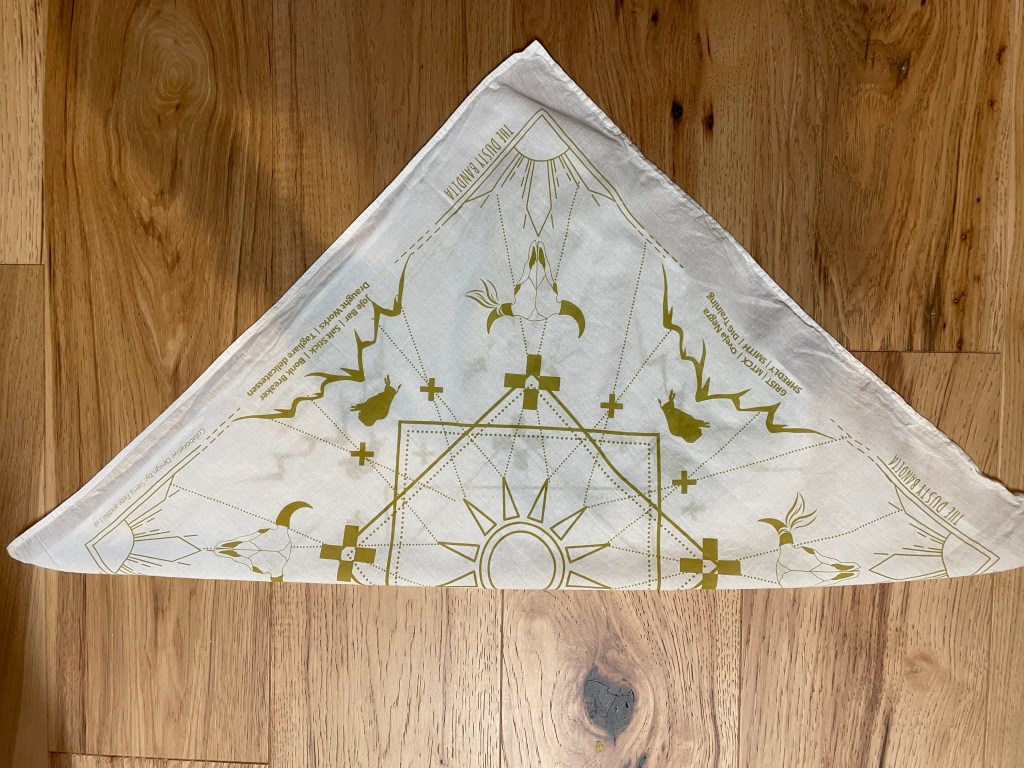
My favorite part of this race was the finish line, which was not visible until you were nearly there. The very last quarter mile of the race was up a slight hill and the finish line was hidden around a corner in the heart of the town square. When you finally crested the hill and came around the corner, there were hoards of people gathered in the town square to watch finishers. There was applause, inflatables surrounding the timing equipment, and an announcer who made me feel like I had just finished in first place. Inclusivity and support were some of the reasons this race was founded, and I definitely felt both throughout event, but especially at the finish line. All race finishers received a Dusty Bandita bandana and stainless steel coffee mug.

All race entries included a post-race lunch ticket, which was very important. A town the size of Ovando has few and limited dining options for such a large crowd. Racers had their choice of sandwich, chips, drink, and cookie.

What’s the story with the grizzly bears that I mentioned earlier, you may be wondering. In 2021, a woman was was pulled from her tent by a grizzly bear as she was sleeping. Race organizers did a fantastic job of communicating the seriousness of tent camping in the Ovando area. Here’s an excerpt from one of their emails:

If you do choose to camp, you’re on your own, and please, please, please practice BEAR SAFETY while camping. Grizzlies frequent the area and roam around the town of Ovando, so take bear safety seriously: 

  • Have bear spray on you and in your tent/van.
  • No food or fragrances (including toothpaste) in tents/vans, etc.
  • Use secure bear storage.

Their website even has an entire page dedicated to this topic.

Despite all the talk of grizzly bears, I didn’t see a single one on race day. The closest thing to a grizzly bear was the huge pile of scat on the ascent to the second aid station. They were most definitely in the area!

It would be remiss if I didn’t mention the significant number of women who opted to stop in the middle of roads or on blind corners to chat or address mechanical issues. This happened on flat roads where there was plenty of room to pull to the side, and on the descent from the race course summit, where there wasn’t much room or visibility for riders coming up from behind. They were oblivious to the danger they were putting themselves in, as well as every other cyclist who encountered them. This is something the race organizers should address in their communication in the future. It seems like it would be an obvious safety concern, but due to the large numbers of women that were doing it, it should be clearly communicated going forward.

While Ovando was certainly out of the way, I would do it again!

The Truth About E-bike Trail Access

When I met Motoman 25 years ago, I quickly learned that he was an adventurer. Our weekends consisted of rock climbing, mountain biking, and jet skiing, among other activities. At one point I joked that I needed to return to work on Mondays so that my body could sit at a desk and recover from the adventures of the weekend. Fast forward to today, and he still loves a good adventure, but the activities involved in the adventures look a little different. Over that span of 25 years, there have been injuries, crashes, not to mention the under appreciated impacts of aging in general – all of which have impacted mobility.

During the pandemic, Motoman purchased a class 1 e-bike as a way to spend a little more time with me, a little more time outdoors, and for a different form of exercise. I’m not writing this post to educate the world on the classes of e-bikes, but I will say that the class 1 is the only e-bike that REQUIRES pedaling to move forward. What we weren’t aware of when he purchased the bike, was the magnitude of controversy surrounding the different classes of e-bikes and where they are allowed and not allowed. This is an entirely different conversation from the riders who are simply anti-e-bike. But speaking of anti-e-bikers, we’ve certainly encountered plenty of those people on the trails. Imagine taking your new e-bike out for its maiden voyage and having a complete stranger call you names like “cheater”, or worse.

Nowadays on our mountain biking adventures, he follows me. I set the pace for our little peloton of two on my old Juliana – the kind without a battery operated motor. We do this because one of the objectives of purchasing the e-bike was to spend more time together. My pace is the limiting factor between the two bikes, so I lead the way. Occasionally, he’ll pass on a particularly steep or technical section of trail, but then he waits for me to retake the lead. I share this because I think it’s important to know that not all e-bikers are out on the trail to go faster than everyone else.

We learned very quickly that it’s difficult to know where e-bikes are allowed and not allowed to be ridden. Websites* that we have used for trail discovery and research are not always up to date with the latest information. Case in point: the 18 Road Trail System in Fruita, Colorado. As of the time of writing this article, those websites* indicate that e-bikes are not allowed. The BLM website for this trail system does not mention e-bikes. Yet, I took this image onsite at 18 Road during my trip in June of 2022. Clearly, Class 1 e-bikes are allowed as of April 8, 2022.

In other instances, our ride research has led us to a trail head, only to find that the signage at the trail head prohibits e-bikes. This is particularly frustrating when you’ve driven miles to the trail head. I have wondered at times if the trail head signage hasn’t been manipulated by trail users who are anti e-bike. I have encountered signage manipulation against motorcycles in the past, so it wouldn’t come as a complete surprise to see such behavior directed at e-bikes.

As a result of this mixed information, some folks are opting to ride their class 1 e-bikes on trails where they are prohibited, stating that they’ll take their chances on getting caught. We tend to ride in places that we know without a doubt allow e-bikes. We also make a conscious decision against spending our dollars in municipalities and counties that ban class 1 e-bikes on their local trails. Does this little boycott have any impact on anything? Absolutely not. But it does make us feel slightly better about being banned.

The categorization of Class 1 e-bikes as a “motorized vehicle” seems to be the root of the problem. Some places prohibit all motorized vehicles, and I understand what they were getting at when the rule was made. Bike manufactures, or whoever the gods were that decided to call e-bikes “motorized vehicles”, really did a dis-service to users of class 1 e-bikes. These are truly pedal assist bikes that open up cycling opportunity to people with mobility limitations. I’m no lawyer nor do I play one on TV, but I suspect at some point there will be a legal challenge that the “no motorized vehicles” rule discriminates against people who use class 1 e-bikes as a means of adaptation to a disability.

Vehicles have evolved since those rules were created. I know our government can be slow to adapt, but maybe it’s time now for their rules to evolve so they can be appropriately applied to newer technologies that didn’t exist when the rules were written. Let’s be realistic, e-bikes aren’t going anywhere… except maybe faster than you!

* Websites that serve as a database of biking trails with reviews, ratings, commentary, and downloadable gpx files shall not be named in this article.

Colorado Mountain Bike Sampler

Colorado Mountain Bike Sampler

Colorado has so much to offer in terms of mountain biking. I recently made a tour of several places that I’d been wanting to ride. It was the ultimate Colorado mountain biking sampler.

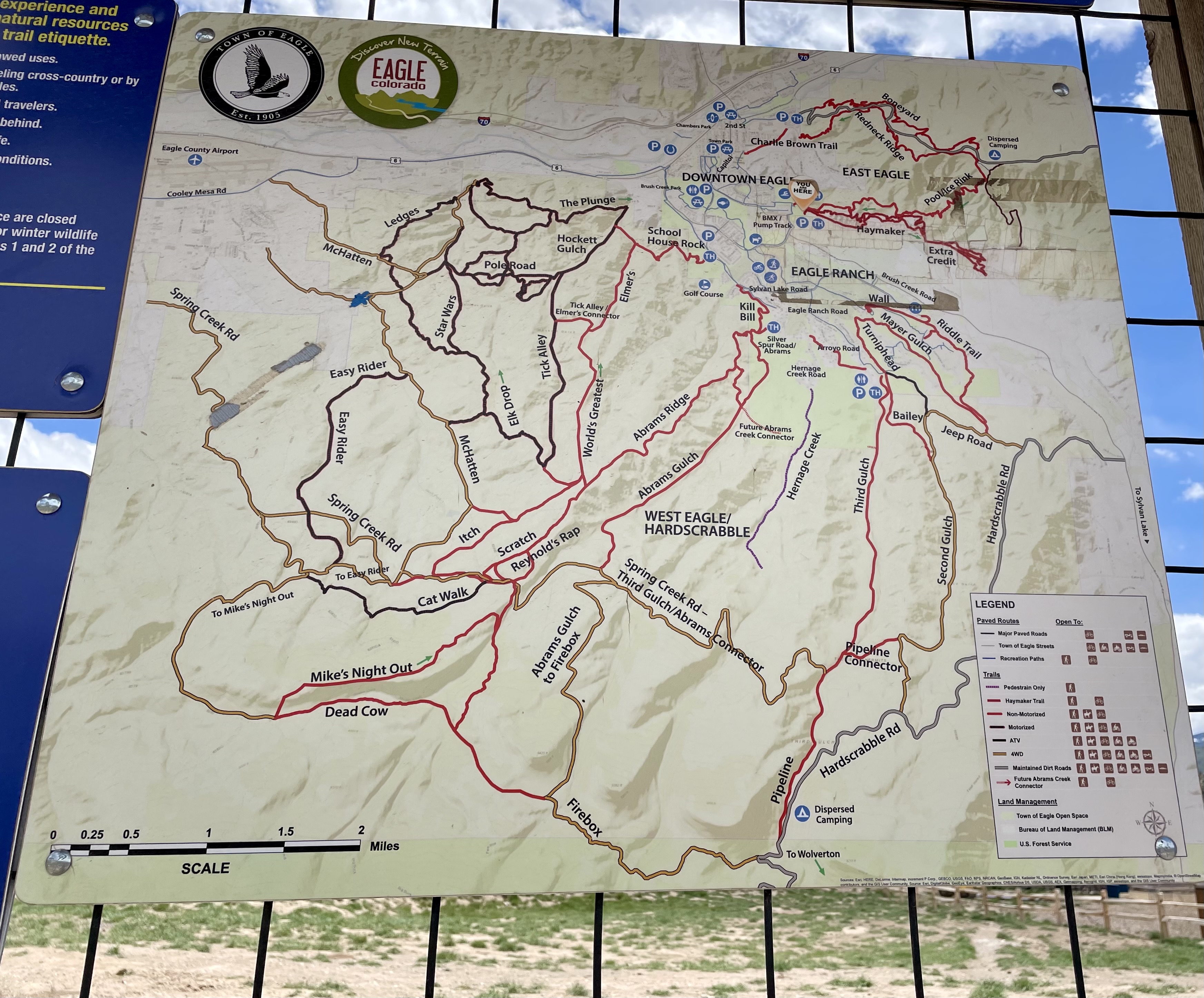
Hardscrabble map at the trail head

Day 1: East Hardscrabble Trail System – Eagle, Colorado – Located just off I-70, the East Harscrabble Trail System is a “SRMA”, Special Recreational Management Area of BLM Public Land. I found a loop on MTBProject.com that I had planned to ride. Unfortunately, the description lead me to a different trail head so I ended up doing an out and back. My advise is to thoroughly research your ride to ensure this does not happen to you. The trail I rode up was clearly designed for downhill, so I ended up scrambling out of the way on a couple of occasions. What I didn’t realize at the time is there is also a West Hardscrabble trail System that is open to ATV’s and motorcycles. I spent just over an hour riding here but it was long enough to know that I’d like to go back for more. Next stop: the desert.

Day 1: 18 Road Trail System – Fruita, Colorado – Located just a few miles north of Fruita, Colorado. This location is also BLM Public Land. I arrived in the early evening. What’s great about riding at this trail system in addition to its proximity to Fruita, is there is also camping available, and well maintained vault toilets. While the trail system is located in the desert, it doesn’t have the technical rocks and ledges that tend to be present in the desert. In fact, the trails I rode were so dry and well traveled, it was almost like riding on a concrete path in places. Because this system is nestled right up against what is known as the “book cliffs”, some of the trails offer a lot of short and snappy ups and downs, so speed is key. I was able to get one ride in just before sunset on Day 1 and an early morning ride on Day 2. Trees in the area are scarce, so my suggestion is to choose a campsite wisely and avoid riding in the heat of the day. As of April 8, 2022, Class 1 E-Bikes are welcome to ride throughout the 18 Road Trail System.

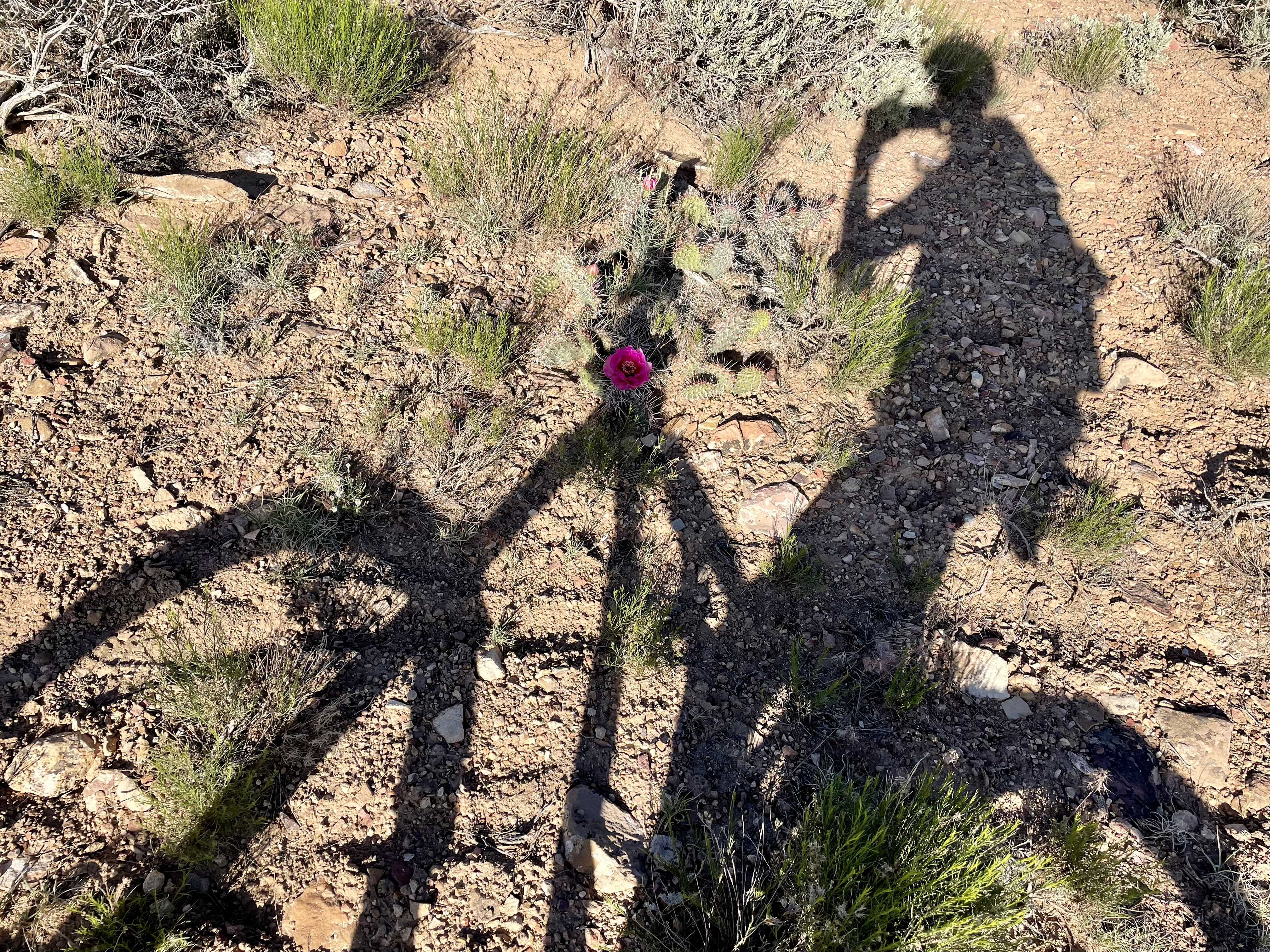
A view from Mary’s Loop

Day 2: Kokopelli Loops at McInnis Canyon Conservation Area – Loma, Colorado – Located just west of Fruita, right along the Colorado/Utah border sits the McInnis Canyon Conservation Area. Trailhead parking is right off I-70, giving this trail system quick and easy access. I spent most of Day 2 riding the variety of trails available in this system: from easy green loops (Rustler’s Loop), to a very difficult black diamond trail (Moore Fun). This trail system is full of sandy, ledgy, rocky technical features. The scenery in this area is breathtaking. Trees are scarce and riding in the middle of the day in the desert is not ideal, but it’s what worked with my schedule that day.

50 Shades of Green

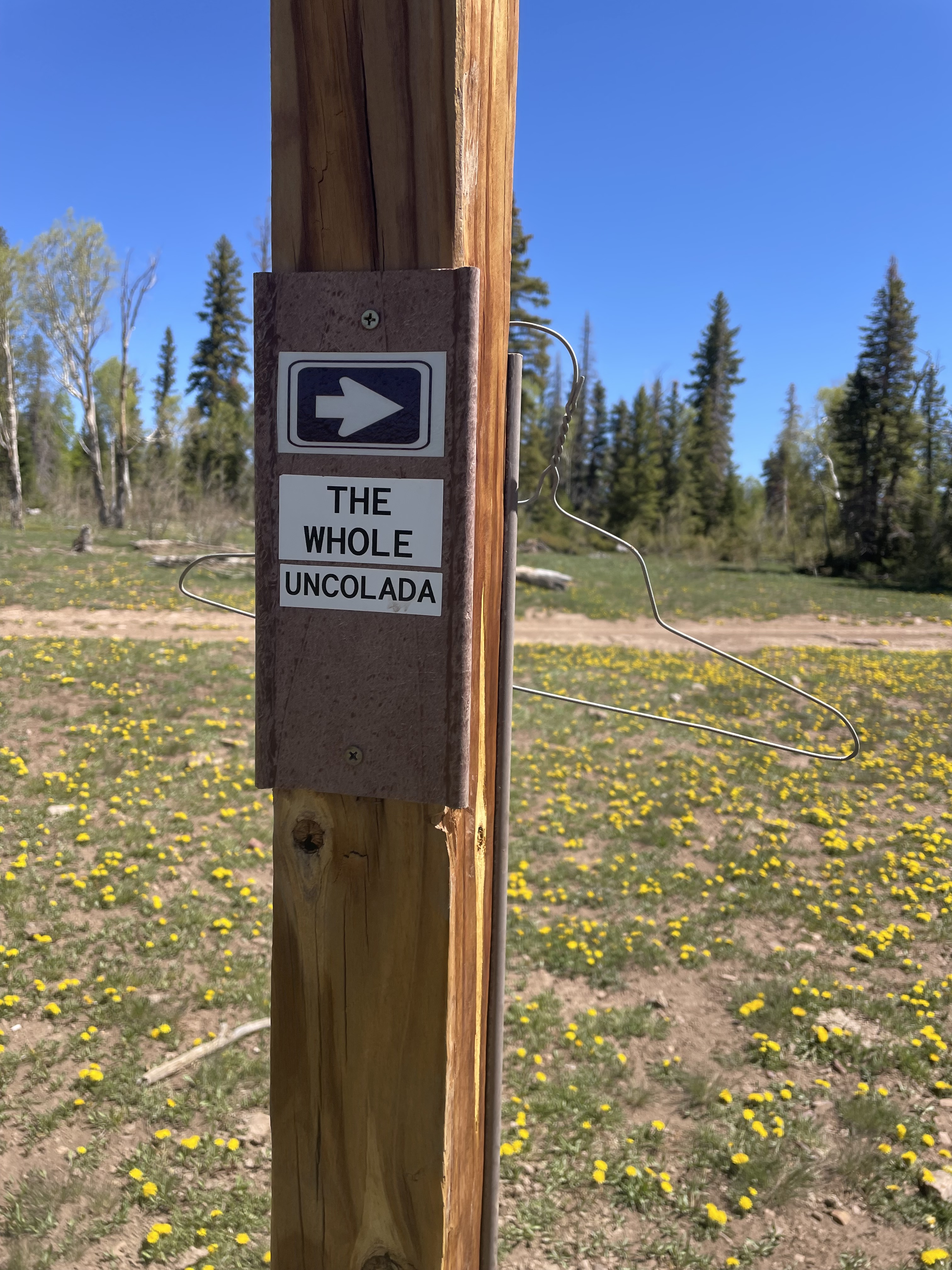
Day 3: Uncompahgre National Forest – Montrose, Colorado – Montrose is the gateway to the San Juan Mountains. However, just west of town is a lesser known gem for mountain biking, the Uncompahgre Plateau. If you’re a mountain biker, you’ve probably heard of a ride near Moab called “the whole enchilada”. Not to be outdone, Montrose offers “the whole uncolada”. I rode a portion of this trail and found it to be a pleasant change from the desert riding of the previous two days. The route went through the forest and it was considerably cooler on the Plateau. In my Strava upload, I ended up calling the ride 50 Shades of Green, and you can probably guess why.

Day 4: Electric Hills Trail System– Montrose, Colorado – What happens when land provided by Xcel Energy is developed into a mountain bike trail system? You end up with fantastic trail names like Flux Capacitor, Shock Therapy, and Electric Avenue, among others. The trail system is nestled in a juniper grove growing in the red high desert dirt overlooking Montrose. It’s like Christmas manifested itself as a mountain bike trail, and you’re the lucky kid riding a bike through it.
Day 5: Hartman Rocks – Gunnison, Colorado – This system is located just outside Gunnison. What I didn’t know about this trail system is that it is open to ALL the bikes… mountain bikes, e-bikes, and motorcycles. The day I rode, I saw only other mountain bikes, but motorcycle tire marks were visible in the trails I rode. What I really like about this area aside from the fact that it doesn’t discriminate against certain bike types, is the terrain itself. It’s high desert, so there were rock features, flowy single track, sand pits and lots of sage brush. Once again, trees were scarce, so I’d suggest not riding in the middle of a hot day and choosing campsites wisely.
Day 5: Methodist Mountain Trail System – Salida, Colorado – This system sits on the mountains south of town, making it quickly accessible. While I didn’t ride all the trails, the ones I did ride seemed to be very thoughtfully designed for riding up or down. Their signage also reflected the preferred riding direction. While this is nice for trail users, it made the trails feel very “human made”, unlike other trails that seem to appear and feel more like the surrounding landscape.

Royal Gorgeous

Day 5: Royal Gorge Park Trails System – Canon City, Colorado – This should really be called the Royal Gorgeous Park. It’s not an extensive trail system by any means, but the views were some of the best of the trip. While I was feeling rushed for time to finish before dark, I’d recommend taking your time and a picnic and enjoying the spectacular scenery offered on this trail system. It’s far enough from town that you’ll want to be prepared by packing everything needed for a ride on what I’d categorize as an intermediately technical trail system.

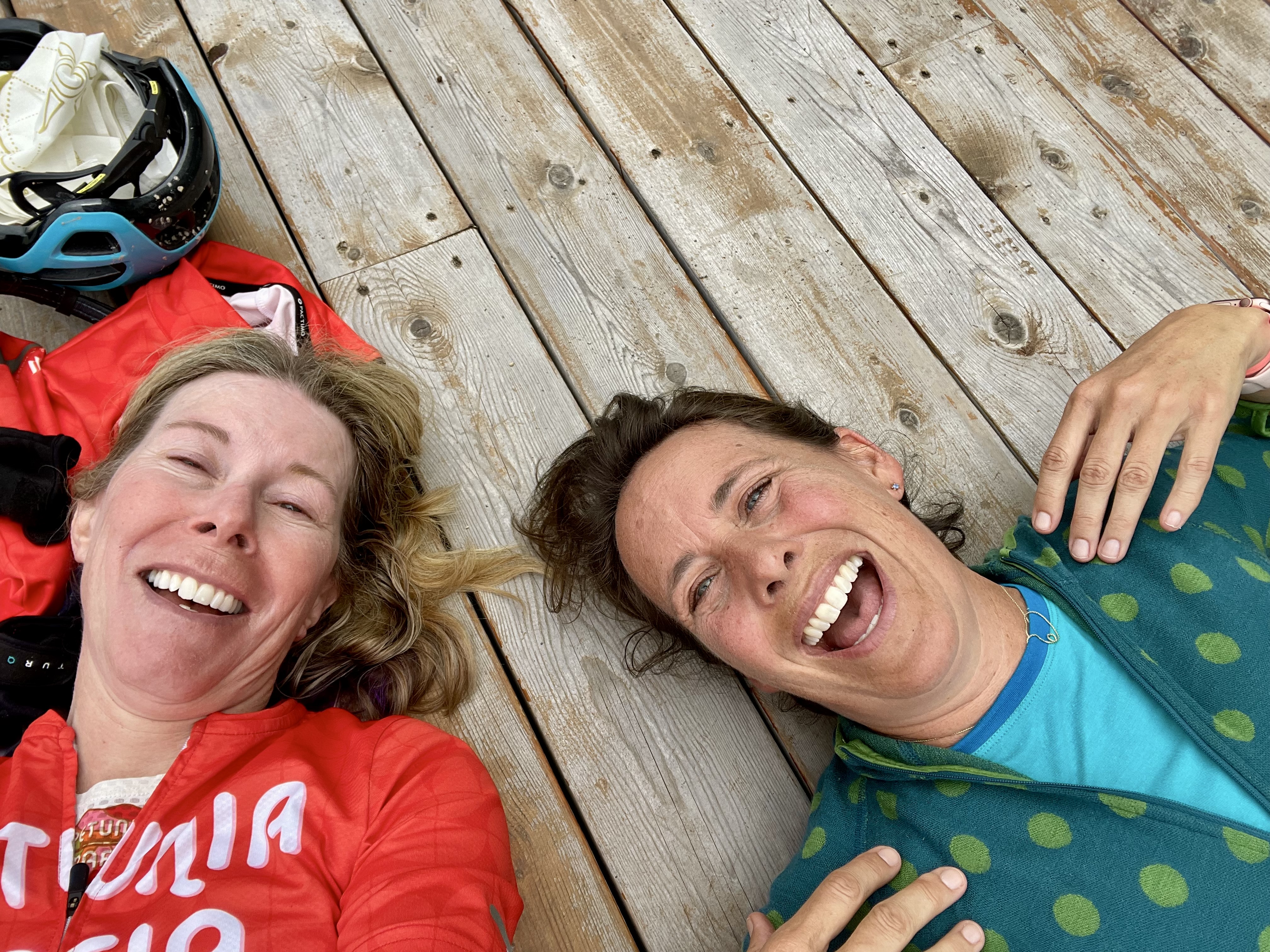
Yep, Day 5 was full. I went home with tired legs and a happy heart.

Beti Bike Bash – A Race Review

Beti Bike Bash – A Race Review

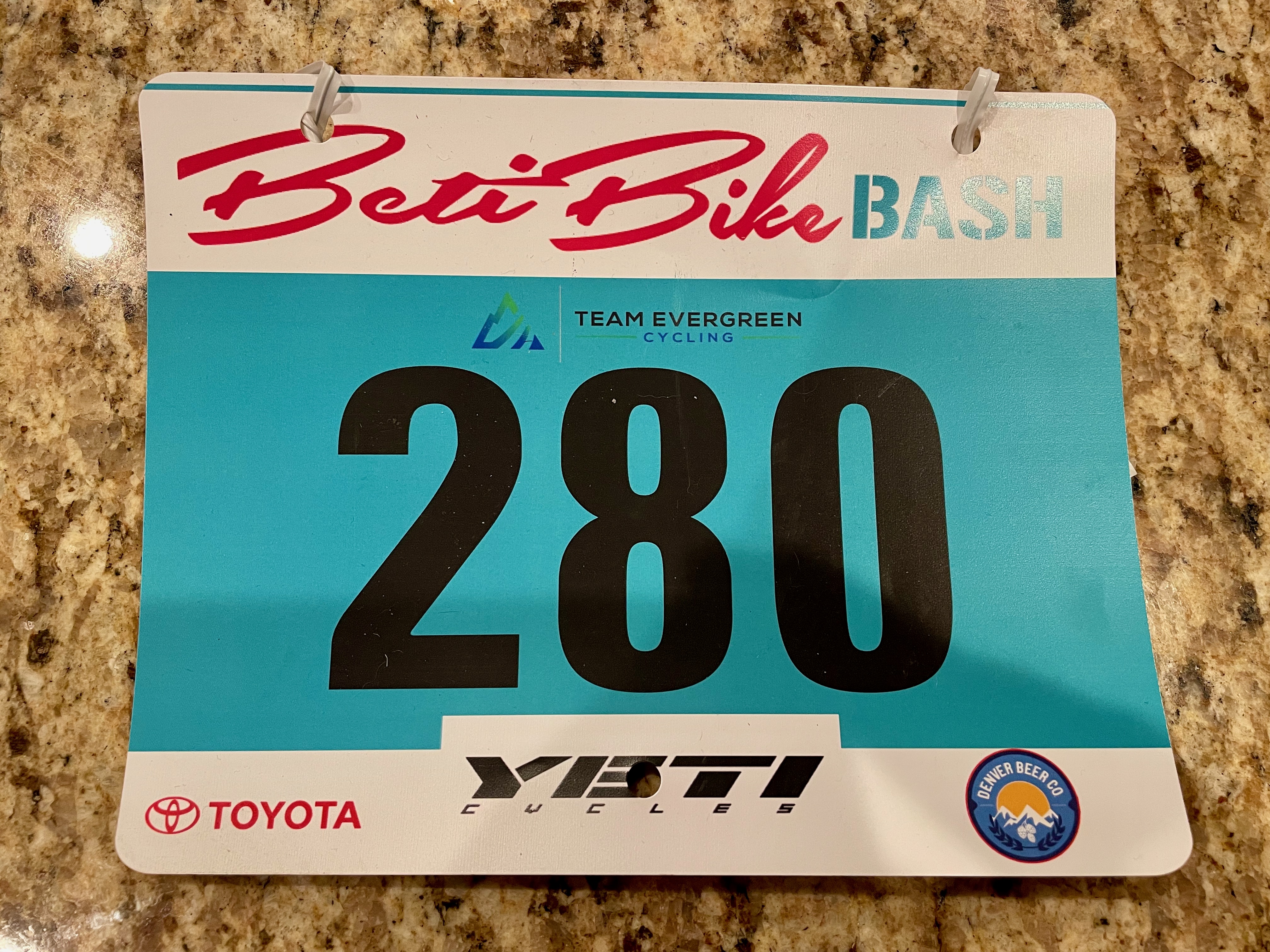
The Beti Bike Bash is a women’s only mountain bike race. As far as I know, it’s the only race of its kind. The event is known for its welcoming atmosphere to new mountain bike racers. This year it was held at Bear Creek Lake Park in Lakewood, Colorado on a beautiful autumn day in October. The event is normally held in May around Mother’s Day, but it was postponed due to the ongoing pandemic. Race categories include “New Mom” and “Never Ever” raced before as well as the typical Sport, Expert, and Pro categories.

The course: Bear Creek Lake Park is not known for technical mountain biking. What it does offer is miles of smooth, flowy single and double track. The double track is perfect for a beginner’s race because it provides ample opportunities for passing safely. The racecourse was confined to a four-mile loop with approximately 200 feet of elevation gain per lap. The category a racer selects dictates the number of laps required. 

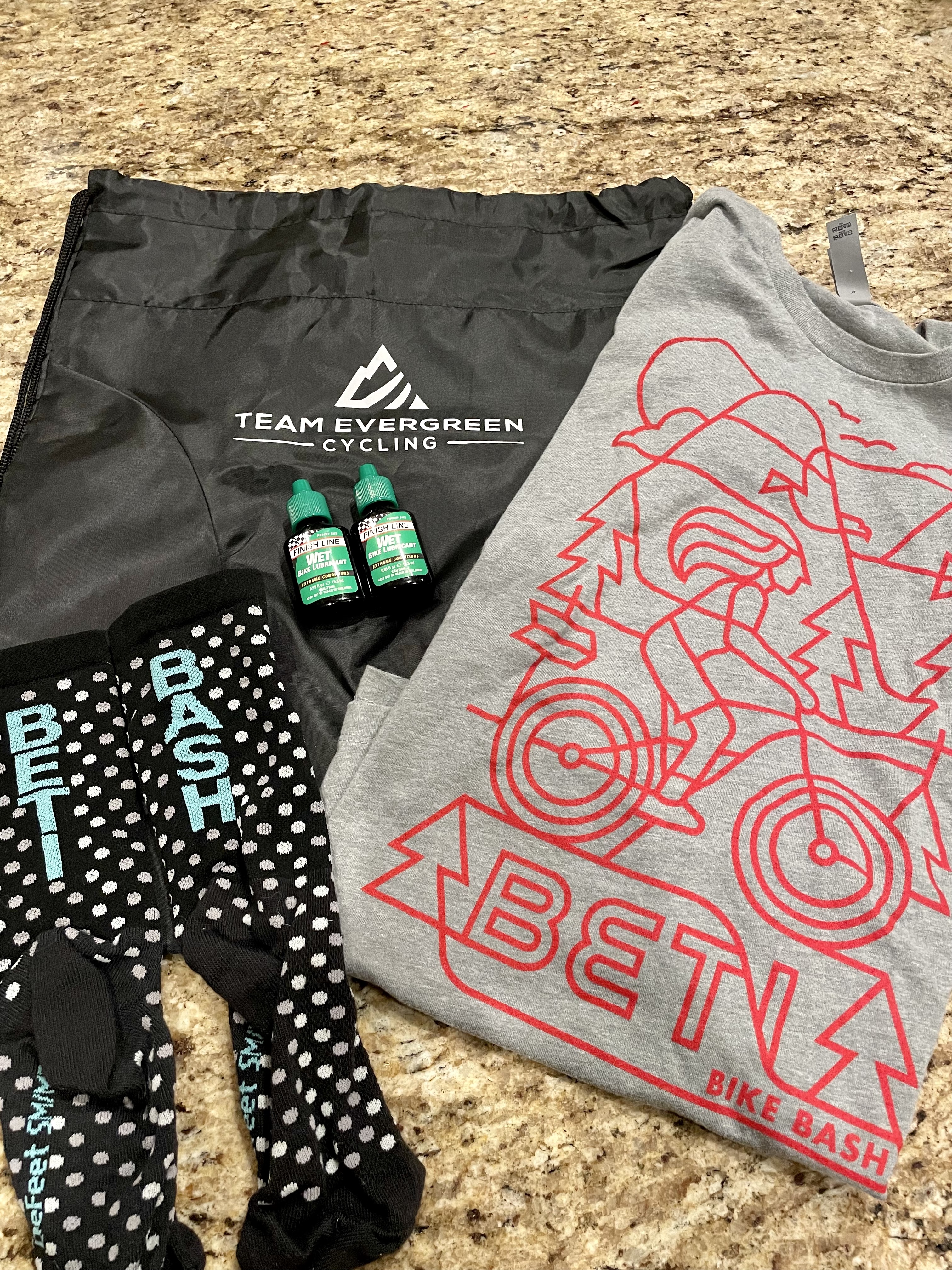
The event typically hosts an expo area featuring sponsor booths as well as other businesses. This area is adjacent to the race start/finish line, so there’s lots of excitement and people in the area throughout the day. The racecourse itself also passes through this area so spectators have the opportunity to see and support their racer on each lap. Post-race, you’re treated to a beer and a delicious lunch. The registration fee includes a fabulous t-shirt, pair of socks, lunch, and a beer.

The Goody Bag & contents

Here’s what I like most about this race:

  • it’s nice not to have to share a racecourse with men, particularly a short racecourse that requires multiple laps (no offense, fellas!). 
  • The Beti Bike Bash t-shirts in my drawer are some of my favorites that I continue to reach for year after year. 
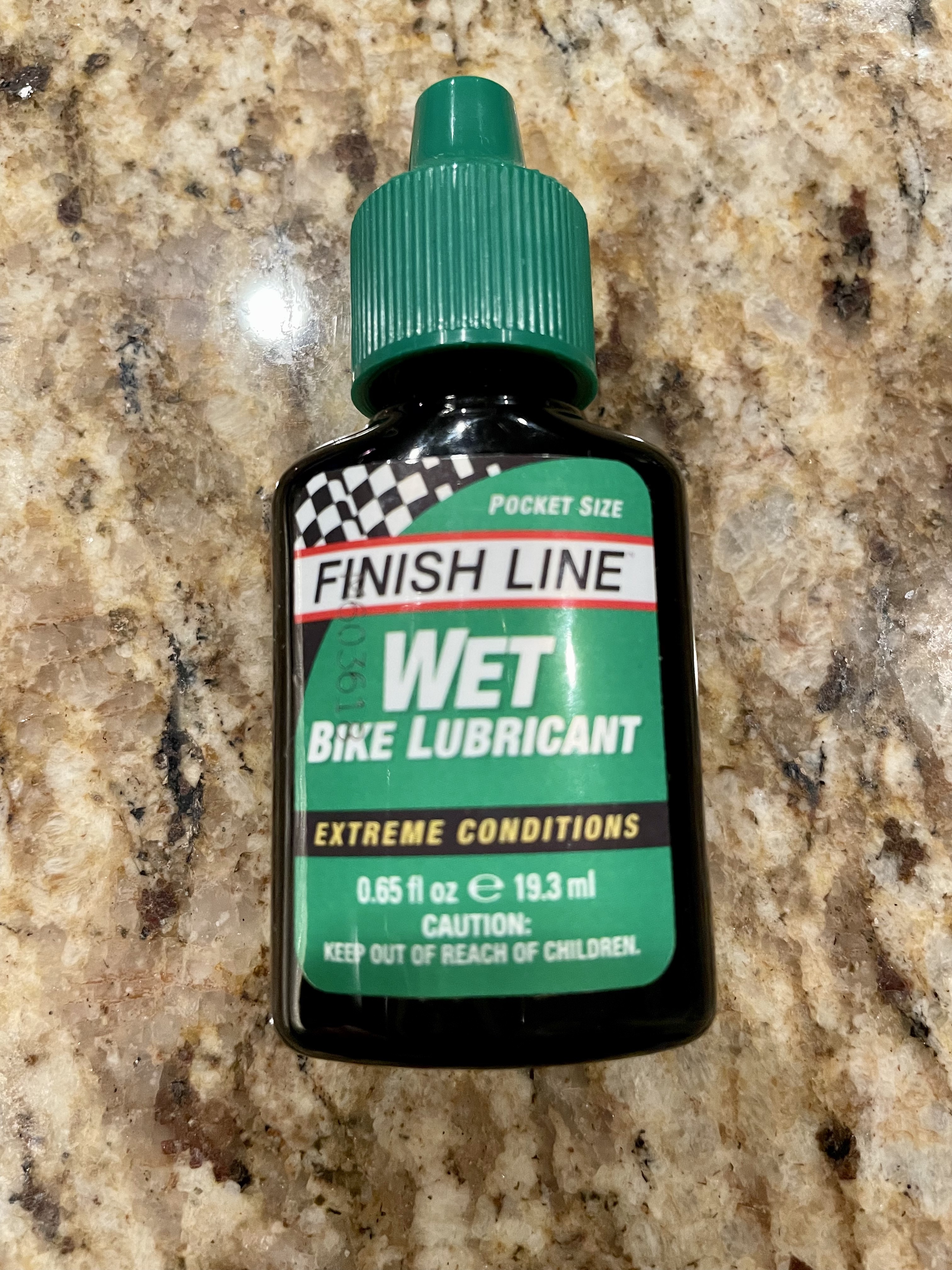
  • The goody bag included the t-shirt, socks, food ticket, beer ticket and some chain lube. The bag itself is a simple backpack with zippered pockets.
  •  The post-race food. It’s so nice to be able to park your bike, catch your breath, and get in line for a meal. 
  • The mistress of ceremonies – again, no offense fellas!

Improvement Opportunities: 

  • While I did appreciate the onsite food, the fact that my race was the last of the day meant that there was hardly any food left. Fortunately for me, I prefer vegetarian tacos, and that’s all that was left. There weren’t any chips or other sides by the time I got my taco.
  • The order of race start times – I think it makes more sense to order the start times such that the racers with the most fitness and experience are racing during the heat of the day. These are riders who are likely to have the ability to tolerate the heat better than, say, less experienced or older riders.
  • The bike chain lubricant in the goody bag is for “extreme” conditions. The label does specify long-distance riding and wet weather conditions. Since they didn’t use the word “or”, I’m concluding that this lube is for a long ride in the rain or snow. Ironically, those are conditions I attempt to avoid riding in. Furthermore, Colorado’s climate is pretty dry, so this particular chain lubricant isn’t ideal. Maybe I just got the leftovers again, sorta like the vegetarian taco situation.

I highly recommend this race. It’s one of only a handful of mountain bike races held in the Denver Metro area. And if you’re a beginner, this race was most certainly designed with you in mind. What are you waiting for?!

The Silver Lining

The Silver Lining

I remember the conversation vividly. I was walking through the sunshine with my daughter. She was telling me that she would graduate in the year 2020. She was young, perhaps in second or third grade, making her eight, maybe nine years old. Our conversation would have occurred in 2010 or 2011. As we walked along we talked with excitement about what a cool sounding year it was… 2020. That conversation is the first time I can recall having any thoughts about 2020; how dramatically different the reality of 2020 turned out to be compared to what we both envisioned that sunny afternoon. Like so many others have done, I could list all the negative things that 2020 delivered, but I don’t want to give it any more energy than it has already taken. Instead, I want to focus on the positive things that 2020 delivered.

Family time – Sierra came home in March for what we thought would be a week’s spring break. She ended up staying until August when she departed for her Freshman year of college. That six month window of time gave us back some of the family time that we lost when she moved away in 2017 to pursue her hockey dreams. I’ll be forever grateful for it.

High School Graduation – While the ceremony itself was anti-climatic after being postponed more than once, the fact that she walked across a stage with with Salutatorian cords made Motoman and I so proud. Maintaining high grades during a pandemic wasn’t easy.

Construction – With nothing better to do during the lockdown in March and April, we turned to home improvement projects. We now have an additional bedroom in our house, which freed up space for a dedicated office in our small house. We’re still arm-wrestling to see who gets the office most days.

Cooking – No one will ever call me a great cook; but no one in my family went hungry. I got to try lots of new recipes. In fact, I found a very similar recipe for one of my favorite dishes available at an over-priced restaurant in Applewood.

Saddle Time – While I didn’t reach my cycling distance goal for the year, I did get some fun riding in at places like Crested Butte. I also was able to spend more time exploring the hiking trails within steps of my front door. I spent more time on the motorcycle riding tracks and trails with my family. As a result of all this riding and skills development, I’m now confident enough to try riding an even bigger, more powerful dirt bike.

Job Transition – I’m so excited to have accepted a position last fall with a company in an industry I’m passionate about. Working has never felt less like work!

For me, one of the most humbling lessons of 2020 was that I don’t have as much control as I thought I did. I can’t replace the people and experiences my family lost this year, but I can control my perspective on the losses. Usually this is the time of year when I reflect on the bike races I competed in the prior year and set goals for the future.  This year, I don’t have any races to reflect on, which feels different, but ok.  For 2021 I want to focus more on activities that a future version of myself will be grateful for. This includes things like more yoga, better eating, catching air on the motorcycle, and being open to new activities. Sometimes just a slight shift in perspective is all it takes to find the silver lining.

Nederland CX – A Race Review

Nederland CX – A Race Review

As I drove up Highway 72 to Nederland, I wondered just what the course for this inaugural Nederland Cyclocross race would be like.  The race flyer stated that the race course would wind through the heart of the town and include a mix of cyclocross features.  What exactly, did that description mean?  As visions or stairs and other urban cross features floated through my head, I parked and made my way to the registration tent.

The first feature I noticed was a very sharp, uphill turn onto a covered pedestrian bridge over a creek.  After retrieving my race number, I walked a bit more of the course.  I noticed another bridge and some railroad tie barriers.  I made some smalltalk with a woman nearby.  The topic of conversation quickly came around to the race course.  She mentioned on the other side of the course, that if you didn’t take the right line in one section, you were sure to end up in the lake.

At that point I decided it was in my best interest to get my bike out of the car and take a pre-ride of the course.  I didn’t mind getting dirty, but I certainly did not want to land in a lake astride my bike.  Once the current race was over, I pedaled on to the course.  I ended up behind another guy who must have already raced, because as we rode along, he told me about what was coming up around each bend.  In this section of the course that wound along the creek, the vegetation was so tall that you couldn’t see what was coming until you were there.  The first surprise was a sharp left turn.  The next surprise was a path of beaten down cat tails.  The mud below the cat tails was now being churned up by all the bike tires.  At the end of the cat tails was a steep run-up.

The next part of the course was the hard part: two- three off-camber ups and downs on loose dirt, and the steepest, loosest run-up ever.  This was followed by the steepest, loosest descent ever seen (by me!) on a cyclocross race course.  It was during this descent that I came upon the place where landing in the lake was supposedly a certainty if one were to take the wrong line.  My conclusion was that landing in the lake was only a remote possibility under the worst set of circumstances.  At the end of the lap, I began to question whether this race was something I could actually finish, let alone be competitive in.  I’d been nursing a sore shoulder all week and it would be impossible for me to shoulder the bike in any of the sections where it would make sense to do so.  I’d have to run the bike and lift it over the barriers when necessary.  I considered packing my bike in the car and going home right then and there.  Then my phone rang and Motoman wanted to know if it was raining in Nederland?  I looked up at the threatening skies and thought how miserable this course would become if the skies were to let go.

When Motoman arrived, I mentioned how hard the course was and that I was IMG_0925contemplating leaving.  His response was that it would be just as hard for everyone else as it would be for me.  As I pinned the number to my jersey, I thought to myself that I’ll just ride it; then I won’t have any expectations nor disappointment about how I finish.  Then we got a FaceTime call from our daughter who we hadn’t spoken to in a couple of days. It proved to be the perfect distraction.  When we hung up, I had only about 30 minutes before the start time to pedal around and half-heartedly warm-up.  Besides, who needs to warm-up for ride??
Promptly at 5:10 PM, the race started and we were off!  Racers were still rather clumped together when I reached the hard part of the course.  A crash in front of me forced me off the bike and to run more of the off-camber section than I would have liked.  However, as I trotted along, I realized that the women who were riding weren’t going any faster than I was.  I had started to run with my bike because I didn’t want to stop. But now that I couldn’t find a decent place to remount, I just kept going.  Two thoughts occurred to me as I finished that first lap 1) I did not want to run as much on the next lap and 2) this race was as hard for the other women as it was for me!

IMG_2136

Photo Credit: Cid Dennis

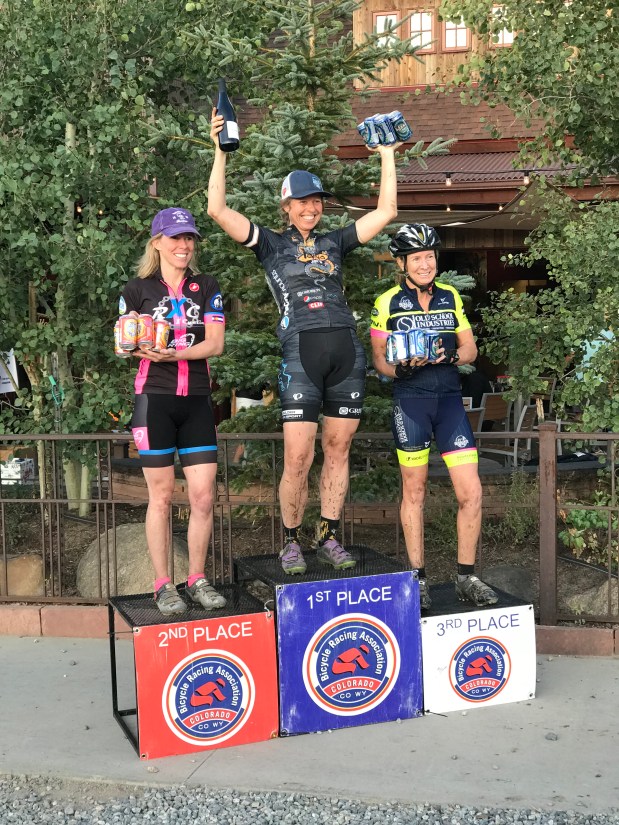
I dug in and settled into a pace I could sustain for five more laps.   I’m so proud to have finished such a difficult race!  Taking 2nd place was the icing on the cake!


Not only was this the hardest race I’ve finished, it was also the most expensive:

  1. Entry fee: $30
  2. Deductible for car repairs necessary from colliding with black bear on the way home: $750
  3. While tasty, the six pack of beer only drowned my sorrows temporarily.

    IMG_2151

    Master’s Women 40+, 2nd Place Photo by: Cid Dennis

    IMG_0948

    That’s black bear fur stuck in the wheel.

The Golden Giddyup – A Race Review

2016 was the inaugural year of the Golden Giddyup.  You can read more about how it was founded on their website; they tell the story much better than I can.  I had decided not to do this race months ago when registration opened.  Then, a handful of days prior to the race, I met up with a friend who was not able to do the race due to a knee injury.  I figured she had already transferred her entry to some other person, but it turns out, it was still available.  When she asked if I wanted it, I checked my calendar and found the day to be wide open.   I had no excuse not to do the race and hated to see the entry go to waste.

Transferring the registration into my name proved to be a bit of a challenge.  While the registration page indicated that all you had to do was click a button and follow the instructions, it didn’t work for us.  After several attempts, we decided to contact race organizers for help.  Even with their intervention, I never received any confirmation emails indicating that the transfer had been successful.  I finally gave up and crossed my fingers that my name would be on someone’s list when I went to pick up my race plate late in the afternoon of Saturday, September 17th.

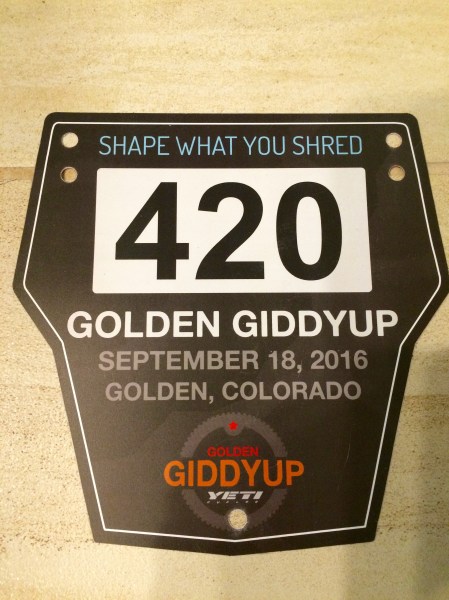
img_5597After all the effort that we’d put into transferring the race entry, I was somewhat surprised that my name was, in fact, on the racer’s list at packet pickup. The bigger surprise, however, was my race number.  Yep, I was lucky number 420.   After collecting my number and what few goodies remained so late in the day, I found a place to sit and wait for the “mandatory riders meeting”.

The meeting essentially covered rules and reiterated several times that if you come upon an injured person, you should stop to offer help.  It seems like a no-brainer to me, but apparently it’s happened, hence the reminder. The other message that was stressed was that passing riders have the right of way.  What that means is by the time a racer hears the words “on your left”, her time has already been beaten by the passing racer who started 20 or 30 seconds behind her.

The next morning I arrived at the start line at 7:15 AM – one hour before my scheduled race time.  As the announcers began calling up waves, I became confused.  It turns out I wasn’t the only one.  The announcers were calling wave numbers that no one had ever heard of.  For instance, my wave was number 38, but they were calling out something similar to “the fourth wave of the classic category.”  I brought it to their attention after several waves had departed.  They regrouped and started calling out the waves by the series of plate numbers included in that wave (even better), and everyone was happy again.

Unlike a traditional enduro race, this race had timed downhill and uphill stages.  The entry that had been transferred to me was a Giddyup Lite – North Table entry – meaning that I would race only the North Table Mountain leg of the race.  The race route had two timed climbing and two timed descending stages.   I’ve ridden on North Table Mountain more times than I can count, which was a significant contributing factor in my decision to do a last minute race.  Knowing the terrain so well,  I was a little nervous about how crowded it would be in the timed stages, even though the organizers were releasing racers every 20 seconds on the uphill stages and every 30 seconds on the downhill portions.  Much to my surprise, however, the timed release of racers really did wonders to ease trail congestion.  I  passed and was passed without any incidents; racers seemed to be respectful of the rules.

I’m proud to have finished the race 5th overall considering the injuries I had in June & July and their recovery time.  Sure, I’ve been riding as much as I can, but I haven’t been training for races.  I’m grateful to Linda for making my participation in the race possible.  I hope we can race it together next year!

One of the mantras of the race organizers was to “shape what you shred” – as seen on the pictured race plate above.   I can’t emphasize how much I appreciated that this was a core philosophy of the organizers.  I’ve been mountain biking in Jefferson County for five years and not once had I ever participated in a trail maintenance effort, until this year and for this race.  I found the experience to be so rewarding that I regret not doing it sooner.  I’ll be suggesting that this be an activity of every team/group that I’m involved with going forward.  Overall, I’d say everyone involved in this race was a winner, especially the trails!